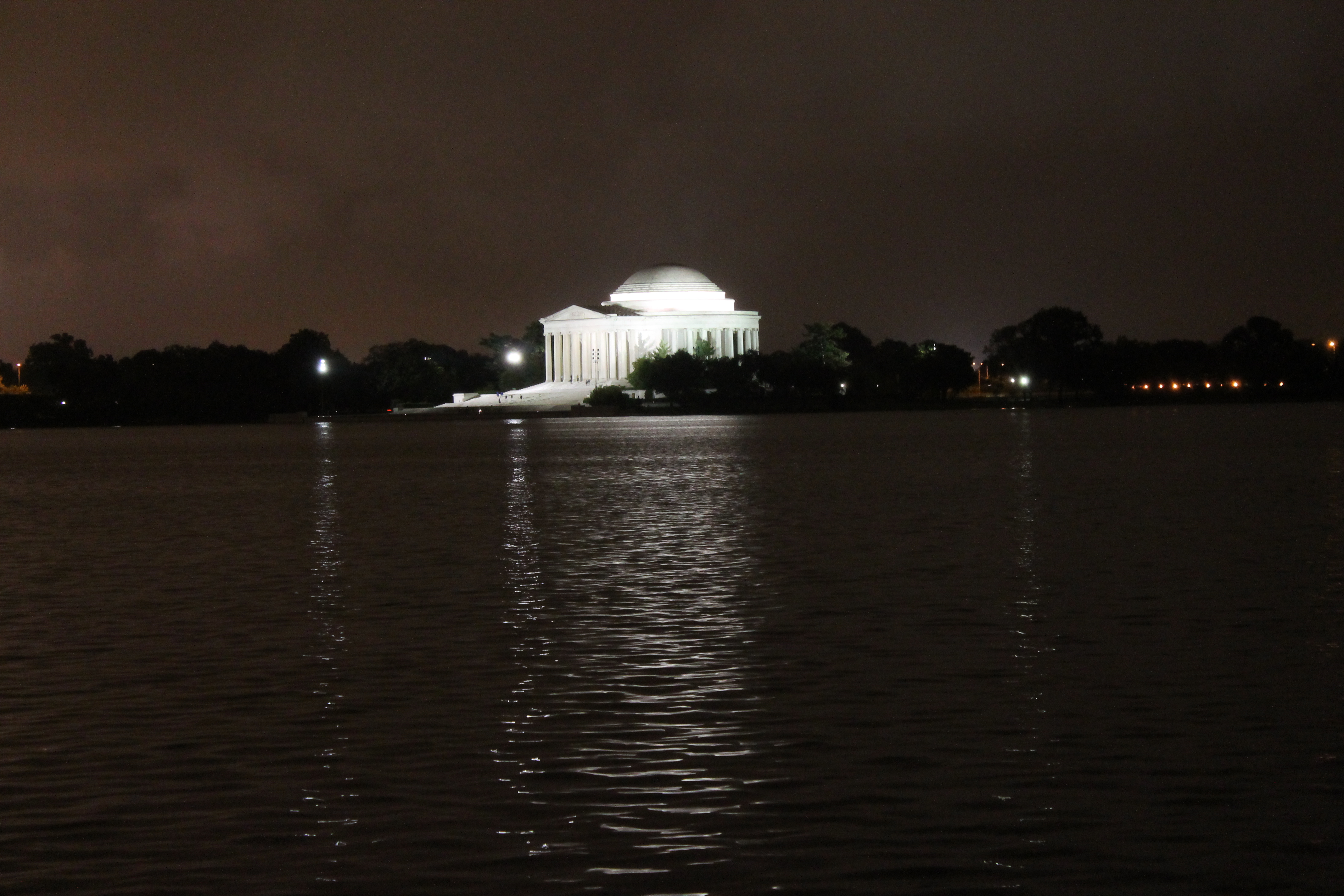
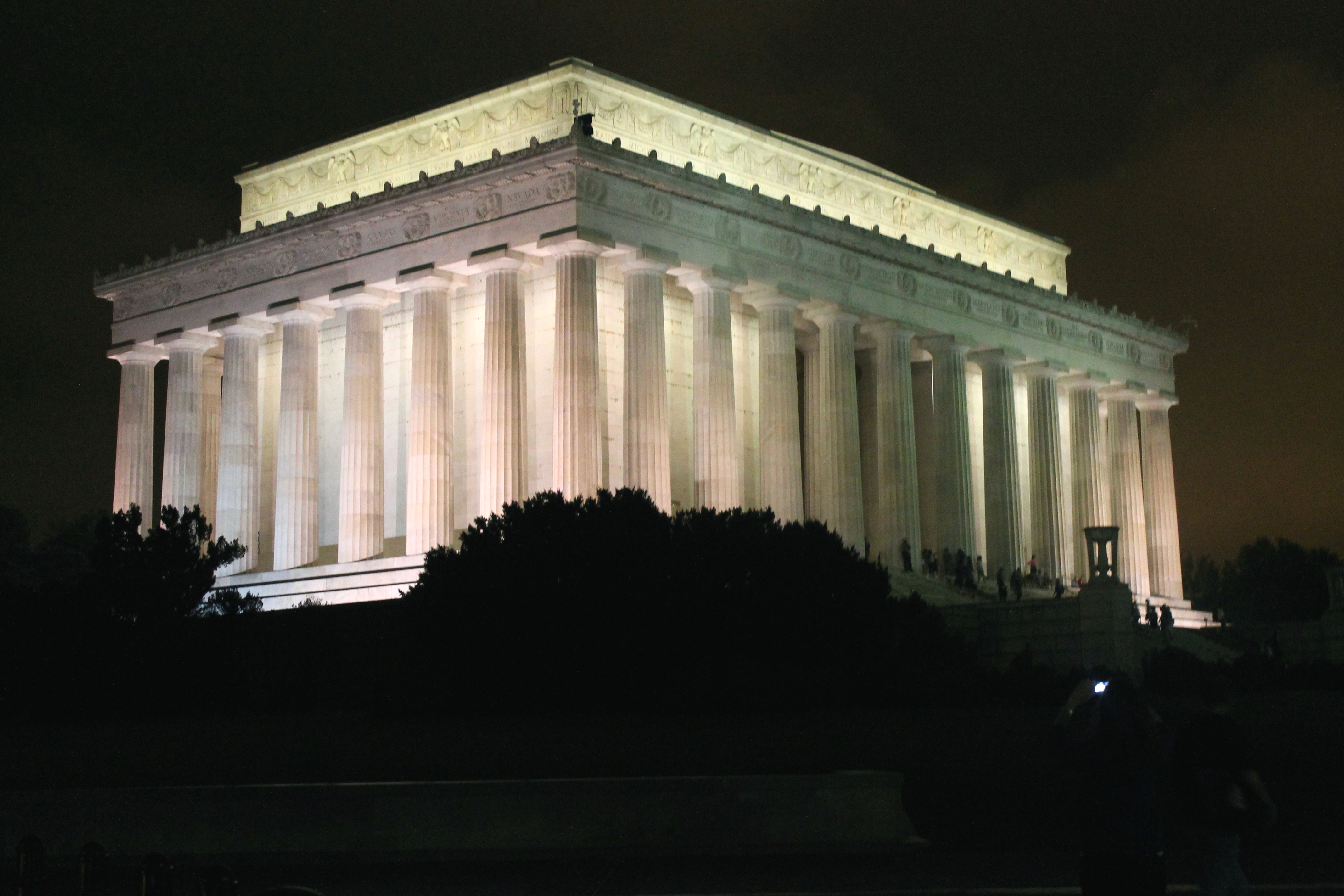
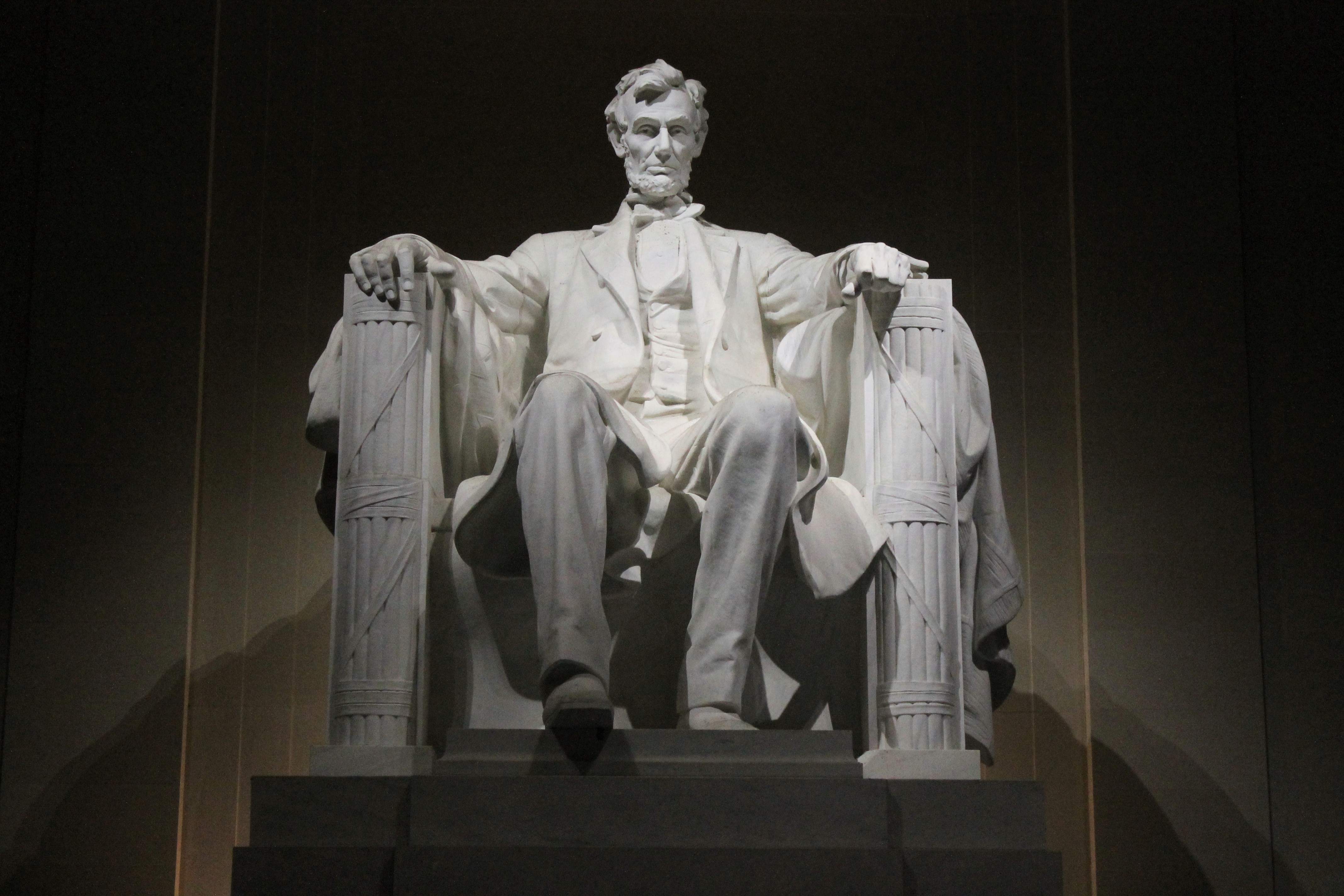
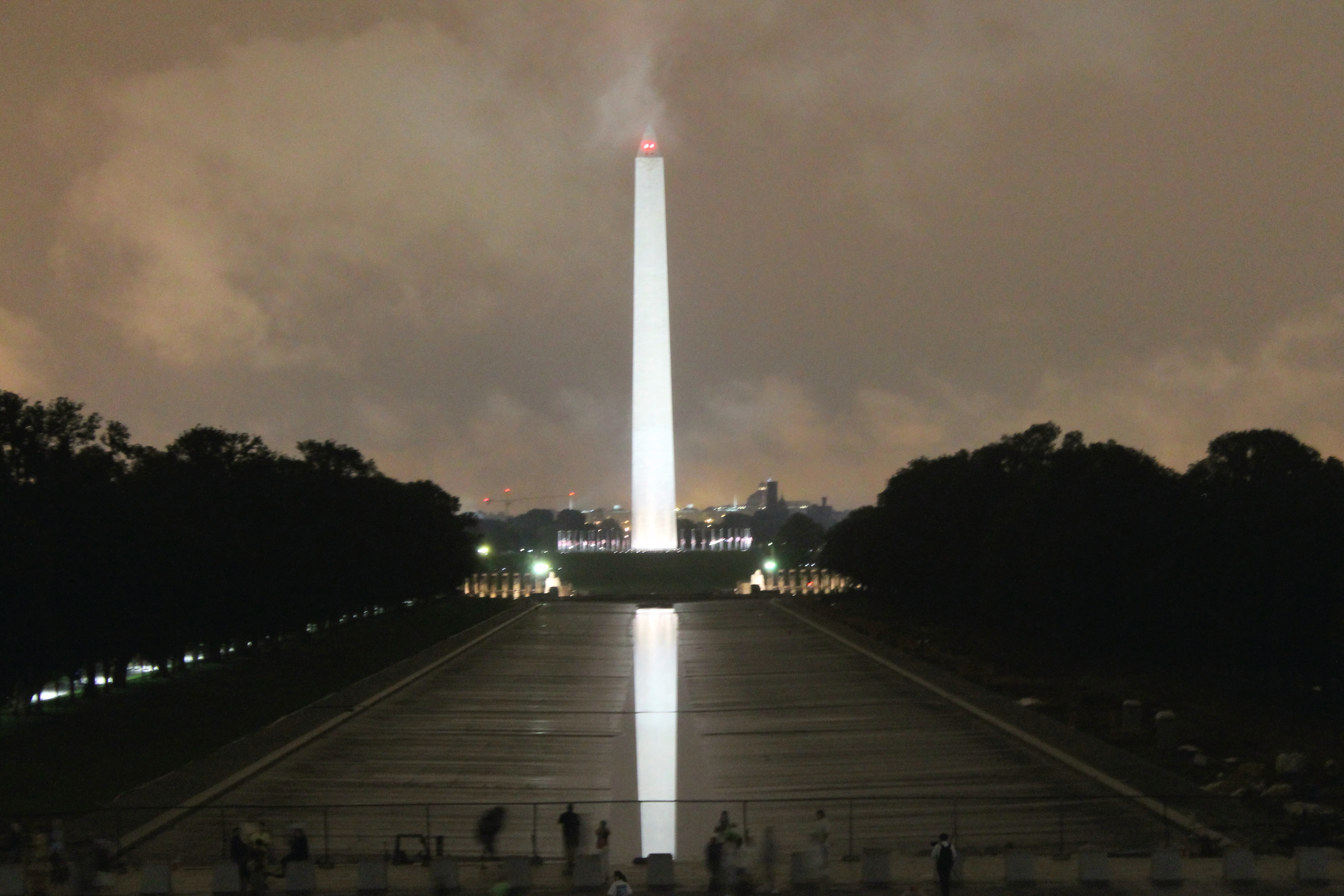
Descending into Darkness in the U.S. Capital
Interfaith + Catholic Pre-Conferences on HIV and AIDS
As mentioned in my last post, I am in Washington DC for 10 days for events around the XIX International AIDS Conference. This month marks 10 years that I have been engaged in HIV and AIDS-related work and this is my 4th time attending an International AIDS Conference. Am I really getting that old?
International AIDS Conferences are held once every two years in various parts of the globe (past conferences I’ve attended were in Vienna, Mexico City and Toronto). They typically attract over 20,000 people working in the field of HIV and AIDS, including scientists and researchers, policymakers, health professionals, people living with HIV, civil society activists and faith-based organizations. This is the first time an International AIDS Conference has been held in the United States in over 20 years, largely due to travel restrictions the United States government previously placed on people living with HIV to enter the country, which were formally lifted in 2010.
Prior to the main conference, there’s a variety of pre-conferences to choose from for people engaged in all aspects of the HIV response. There was the LIVING 2012 Summit for people living with HIV, the HIV/AIDS Law and Practice Conference, the International Leadership Summit on Housing, and a pre-conference for Men who have Sex with Men (note: this lingo is preferred to “gay and bisexual men” in the HIV and AIDS context because it’s believed to be more inclusive language). Since I often have done consulting work with faith-based organizations in the context of HIV and AIDS and international development issues, I opted to divide my time between the Interfaith Pre-Conference on HIV and the International Catholic AIDS Pre-Conference.
Over 400 people attended “Taking Action for Health, Dignity and Justice: The Interfaith Pre-Conference on HIV” held at Howard University on July 20-21. All faiths were welcome, but most participants represented either the Christian, Jewish, Hindu or Muslim traditions.
A plenary session on Friday morning looked at the concept of “Dignity” from a faith lens. Panelists included four people living with HIV and a United Church of Christ bishop who works with transgender communities in San Francisco. Among those on the panel were the first Muslim woman in South Africa to publicly disclose her HIV-positive status, a Hindu Swami from Reunion Island in the Indian Ocean who teaches and uses yoga and meditation as a way to cope with HIV, an Anglican priest from South Africa who co-founded the International Network of Religious Leaders Living with or Personally Affected by HIV and a young man from Mexico who works as an activist with the organization dance4life.
One of the most interesting presentations I heard during the workshop sessions was on opportunities for faith-based organizations to integrate family planning with HIV and AIDS services, which was presented by a staff member from Christian Connections for International Health. According to this US-based organization with a large Evangelical Christian membership:
“Christian Connections for International Health (CCIH) supports family planning, because it helps women and men have the number of children they want and can care for, at the intervals they choose. Family planning prevents unintended pregnancies and abortion. It contributes to the goal of faith-based organizations (FBOs) to improve health and well-being worldwide.”
As the media and the broader HIV and AIDS activist community often demonize FBOs as being opposed to all forms of family planning, I think the above quote is important to share.
The Catholic Pre-Conference began with a plenary on Faith, Spirtuality and Pastoral Care in the Midst of HIV. One of the main and essential components of comprehensive HIV and AIDS care that many FBOs pride themselves on is the integration of psychosocial and spiritual support into the healing process.
Although an estimated 82% of the world’s population adhere to a religion, addressing the spiritual needs of people living with or affected by HIV and AIDS is oftentimes forgotten.
I also attended a workshop on the need for a person-centered response to the HIV pandemic. It was a concept I was not previously familiar with, but I learned that it focuses both on responding to the fundamental needs of a person living with or affected by HIV and on building a culture of individual responsibility. Central to this response is the concept of upholding dignity.
Lastly, I presented on a panel on the Global Plan to Eliminate New HIV Infections in Children by 2015. Earlier this year I served as principal invesigator of research on the contribution of Catholic Church-related organizations to the Global Plan, which was formally launched last night and will be presented again later this week.
The main International AIDS Conference began today and my schedule includes an engagement tour to a local AIDS service organization, film screenings and Global Village activities. I will surely have more to report on later this week, and next time I also promise to include pictures.
Breakfast at the Capitol + American Art Museum
I am in Washington, DC at the moment for the XIX International AIDS Conference, and before pre-conference festivities began last night I had the day free to explore the city a bit.
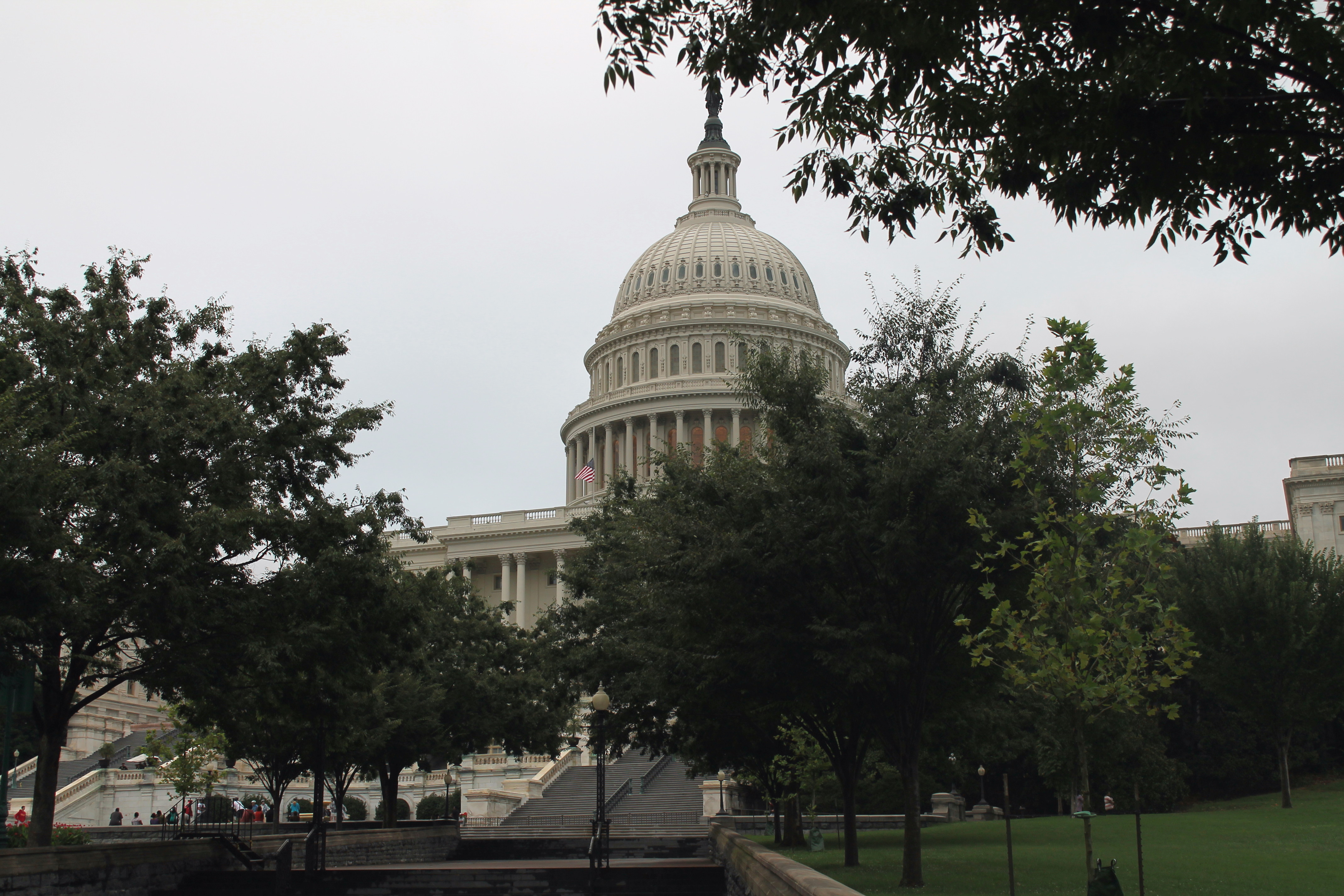
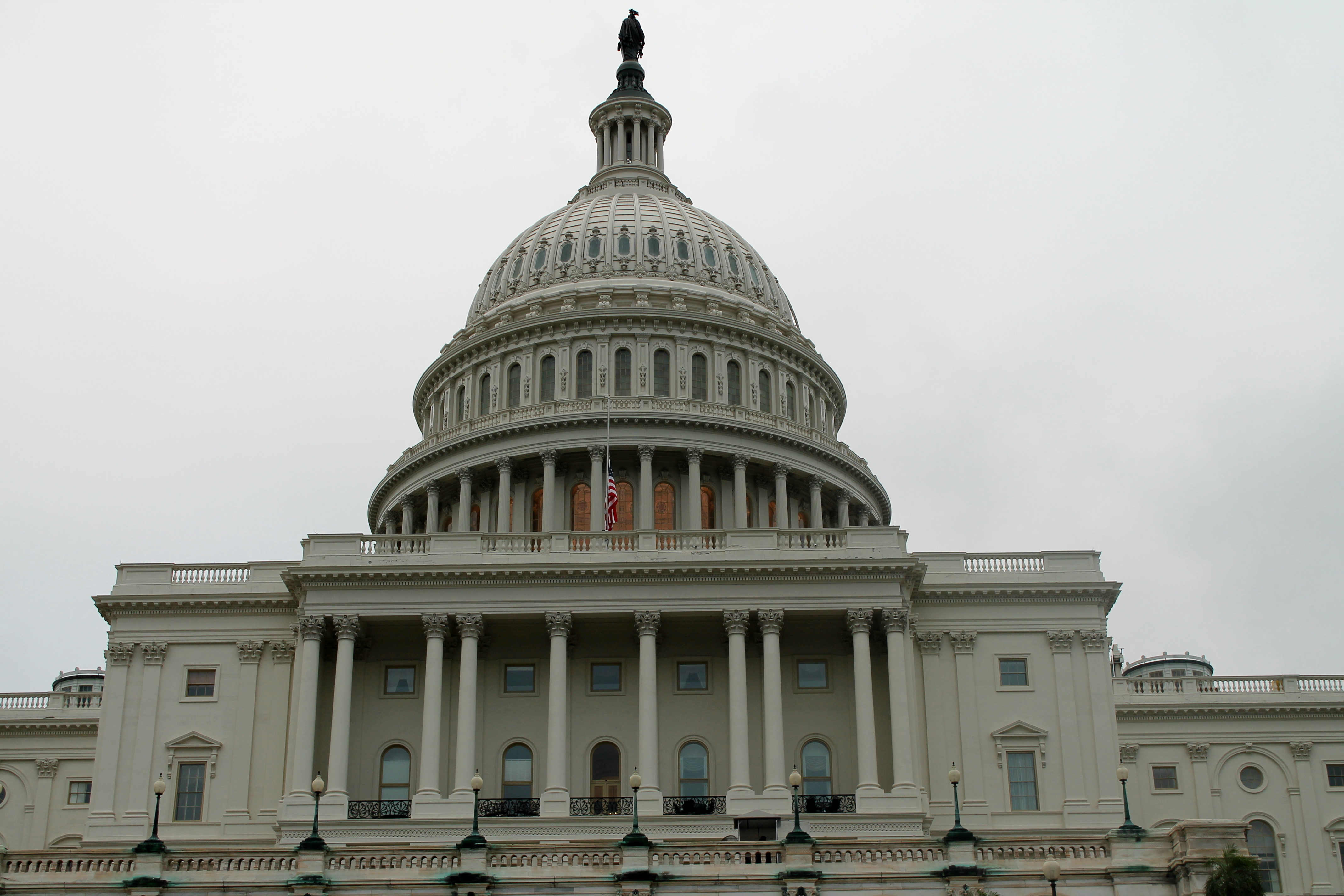
In the morning, I went to a Welcome to Washington Breakfast at the U.S. Capitol organized by the senior senator from my home state, Nevada.
Since our senior senator is also Senate Majority Leader, we got a prime location for the breakfast.
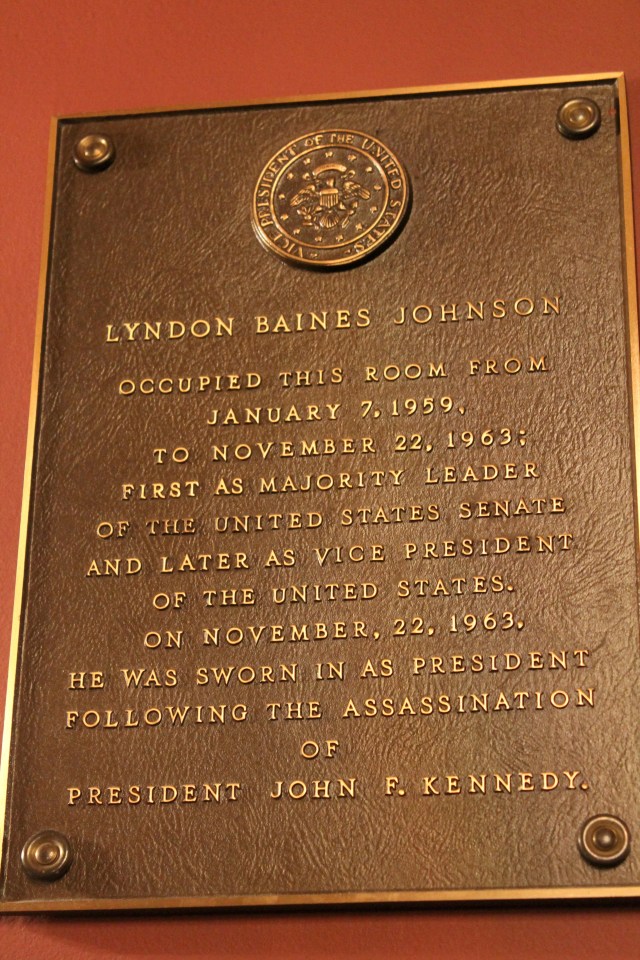
I was surprised there were around 75 other people from Nevada visiting Washington that day, who had stopped in for the meet and greet. We feasted on a traditional American breakfast of coffee and doughnuts, before Sentator Reid came in to speak.
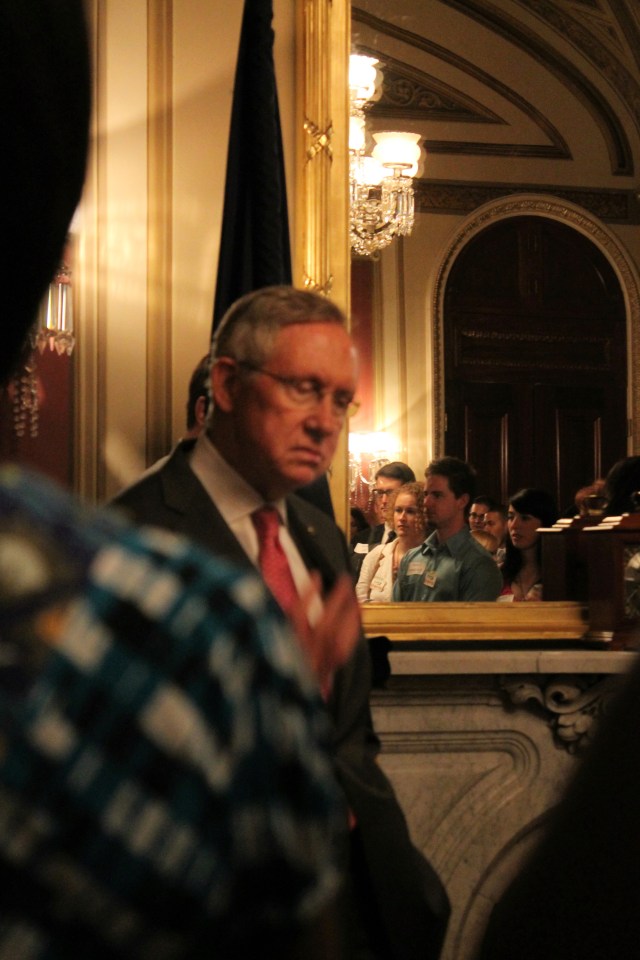
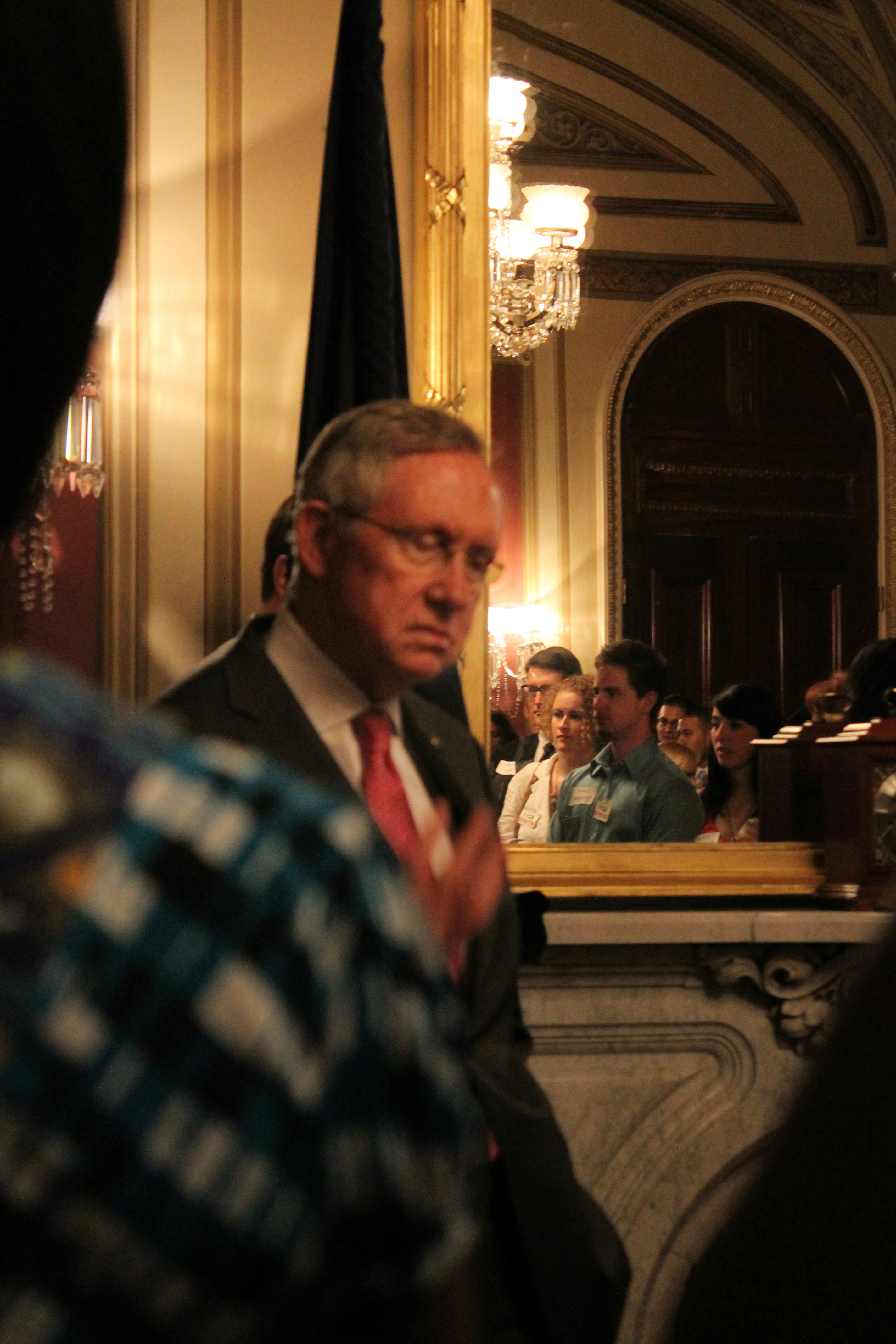
Although he’s a career politician, Senator Reid appears to be a humble and soft-spoken man. Rather than talking politics, he talked about what it was like to live in Washington DC, his family, his grandchildren, his wife’s current struggle with breast cancer and their upcoming plans for summer vacation — to visit friends of his wife in California who she hasn’t seen in over 60 years. Then we formed a neat line to each introduce ourselves to the Senator while a photographer with a much-fancier camera than mine snapped individual photos with the Senator.
After the breakfast, we broke into small groups and the Senator’s staff members gave us a tour of the Capitol building. We watched a short video in the Capitol Visitor Senator, and visited the Rotunda, the crypt that was originally built to entomb George Washington (he later insisted on being buried at Mount Vernon), and the original rooms where the Senate and Supreme Court met.
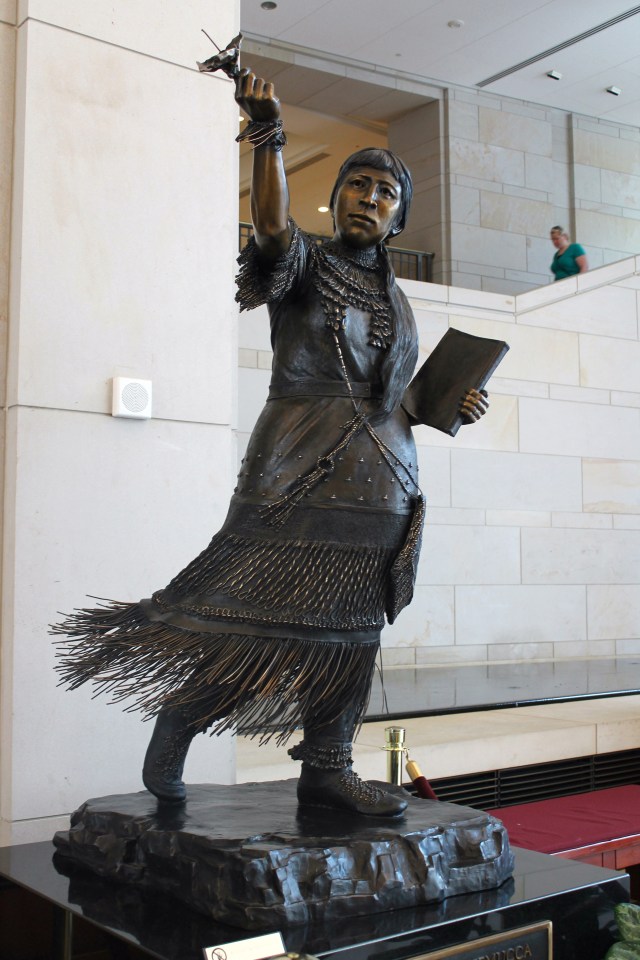
My favorite part was looking at all of the artwork, especially the statues. Each state is allowed to bring two statues to the Capitol Building. One of the statues representing Nevada is of Sarah Winnemucca, human rights activist and writer, who according to our tour guide, was the first Native American to become a published author. A pretty good role model from our state, in my opinion. I need to read more about her.
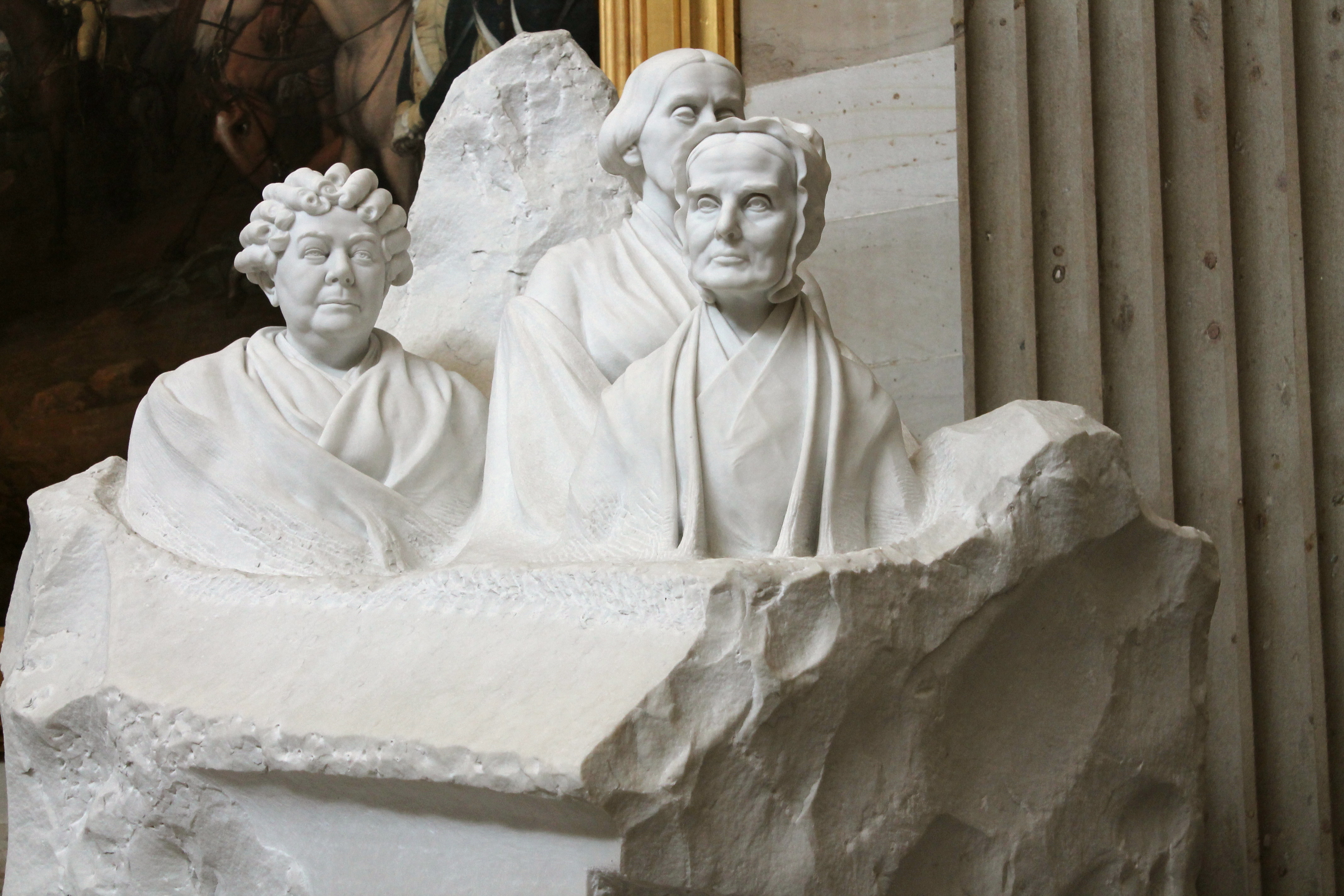
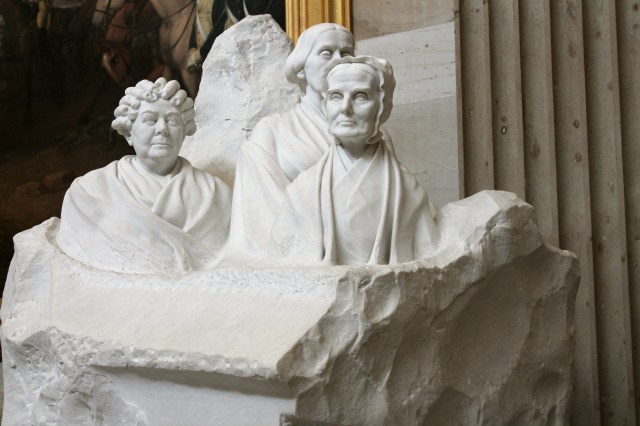
I also really liked this statue of Susan B. Anthony, Elizabeth Cady Stanton and Lucretia Mott. There’s a fourth figure unfinished in the back, representing there’s still much work to be done in the women’s rights movement and that each of us has a role to play.
We were also given passes to watch the Senate in action inside the Senate Chamber.. If you’ve ever watched C-Span, then you know that Senate business is not generally very exciting, that it takes a long time between speeches and that the Senators are rarely ever all in the same room together.
We got to watch a Senator from Kansas (I didn’t catch his name) give a speech in opposition to the DISCLOSE Act, which would essentially require businesses to disclose within 24 hours every time they give a political contribution in excess of $10,000. This senator’s speech was more of a tirade on how great Coca-Cola Industries are because they employ so many people in Kansas, so it would be wrong to limit their freedom of speech. My husband and I frequently talk about the corporate takeover of the United States and our government, and now I have my proof.
In the afternoon, I headed over to the American Art Museum and National Portrait Gallery. Both museums are part of the Smithsonian and they share a building that is about a half-mile from the National Mall. Admission is the very affordable price of free.
My favorite exhibit in the American Art Museum was the folk art exhibit. The museum defines folk art as any work of art made by someone without formal art education or training. There’s much use of everyday objects such bottle caps, scrap metal and even human hair. The museum also had a Special Exhibition on the Art of Video Games, which made me really wish I had brought my husband to Washington.
On the National Portrait Gallery side, I especially enjoyed the portraits in the “Struggle for Justice” exhibit. While there were portraits of famed activists such as Martin Luther King Jr, Rosa Parks and Frederick Douglass, I was surprised by how many activists I had never heard of. Among the portraits were feminist Kate Millett, Black Panther Stokely Carmichael, Japanese-American Fred Korematsu (who campaigned for repatrition for Japanese Internment Camp Survivors), LGBT activist and ACT UP founder Larry Kramer, and a group of Special Olympics athletes photographed on a beach with Eunice Shriver. U.S. History classes need to do a better job of teaching us about these people.
I also went on a tour of the Luce Foundation Center for American Art, which turned out to be a private tour since I was the only person who showed up. The Luce Foundation Center is a public storage center that houses approximately 9% of the Smithsonian’s American art holdings behind glass cases (1% of the holdings are displayed in the galleries and 90% are in storage facilities in Maryland). Among the collections are paintings, sculptures, folk art, crafts, jewelry and miniature portraits displayed in pull-out drawers.
It’s more of an interactive center than museum, where you can use the center’s computers to locate and search for background information on the collection’s holdings. I highly recommend the tour for art enthusiasts, and there’s also free coffee at the end.
Caribbean-Inspired Skillet Granola
Yesterday was a day of firsts. I invented my first-ever recipe for granola, participated in my first video shoot, edited my first video, joined YouTube and uploaded my first video to the internet. And today I bring you my first Vlog. This is all a bit intimidating for me because really I’m a big introvert and I don’t even like having my picture taken.
The occasion was so I could participate in Bob’s Red Mill’s Spar for the Spurtle competition. I found out about the contest after I met Bob’s Red Mill representatives at the BlogHer Food Conference last month. I may be an introvert, but I am also a competitive person by nature, and I love the challenge of trying something new.
The premise behind the Spar for the Spurtle competition is that contestants must develop a unique recipe featuring Bob’s Red Mill Steel Cut Oats and showcase the recipe in a video no longer than 3 minutes. With my husband’s videography skills, we put together the video using the movie setting on my DSLR camera.
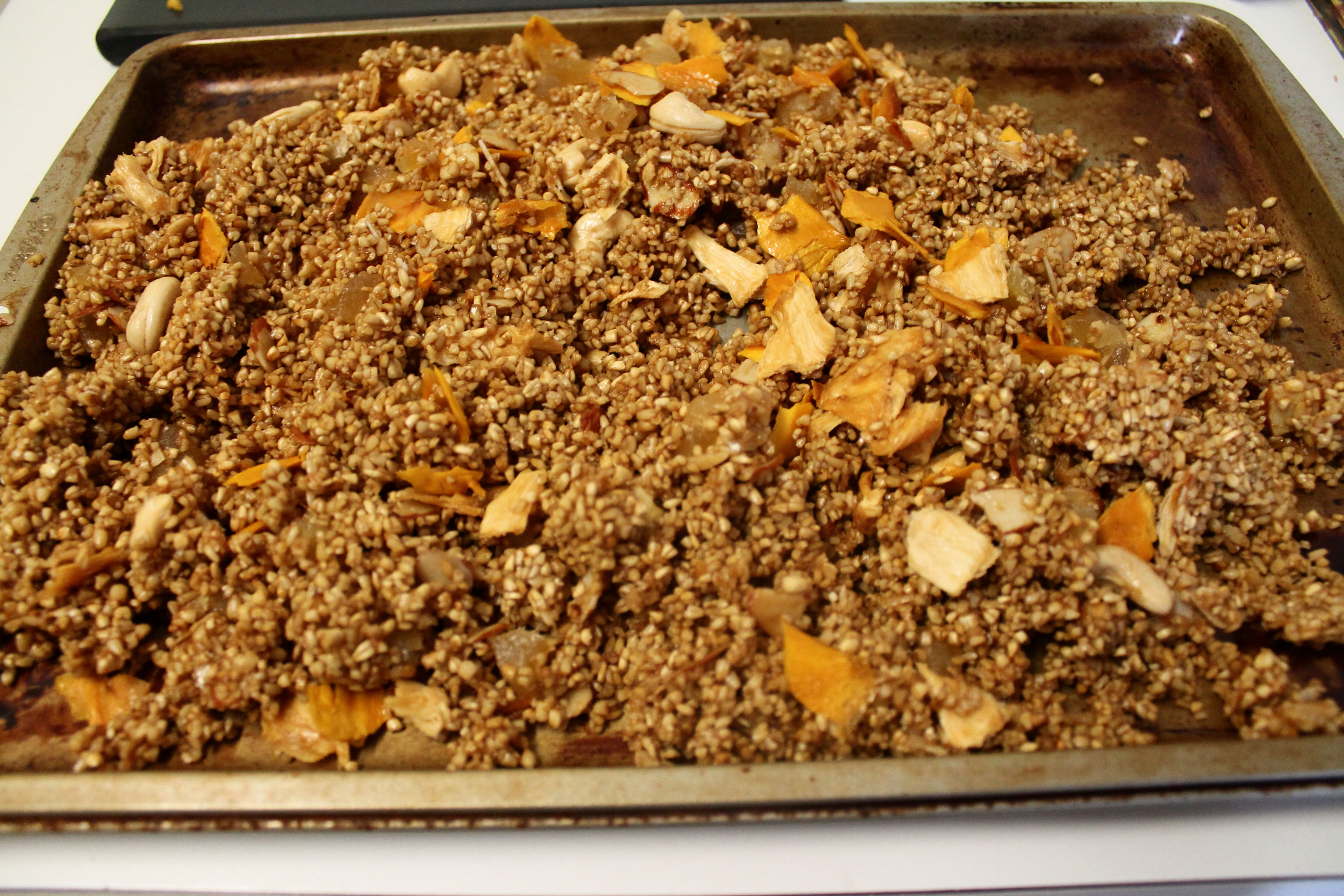
I’m actually quite pleased with how well the recipe turned out, because it originated from an idea that just popped into my head. This granola combines ingredients such as vanilla extract, organic coconut palm sugar, spiced rum, shredded coconut, cashews and almonds, dried mango and pineapple and candied ginger. It’s versatile enough to be eaten as a breakfast cereal, yogurt topping or trail mix. My husband and I have been snacking on it ever since it came off the stovetop.
And if you’d like to enter the Spar for the Spurtle competition yourself, the deadline is this Friday, July 20th. Get all the details on the competition here, and if you submit a video, please be sure to also comment on this blog post with link to your video to receive a free prize pack featuring Bob’s Red Mill products.
You can watch the other video entries to the competition at the Spar for the Spurtle website and “Like” your favorites. Thus far my personal favorite is the oatmeal pancakes with apple flambe. Maybe because it involves whiskey?
Click here to watch my video and get all of the recipe goodness.
How to Preserve Tuscan-Style Pasta Sauce
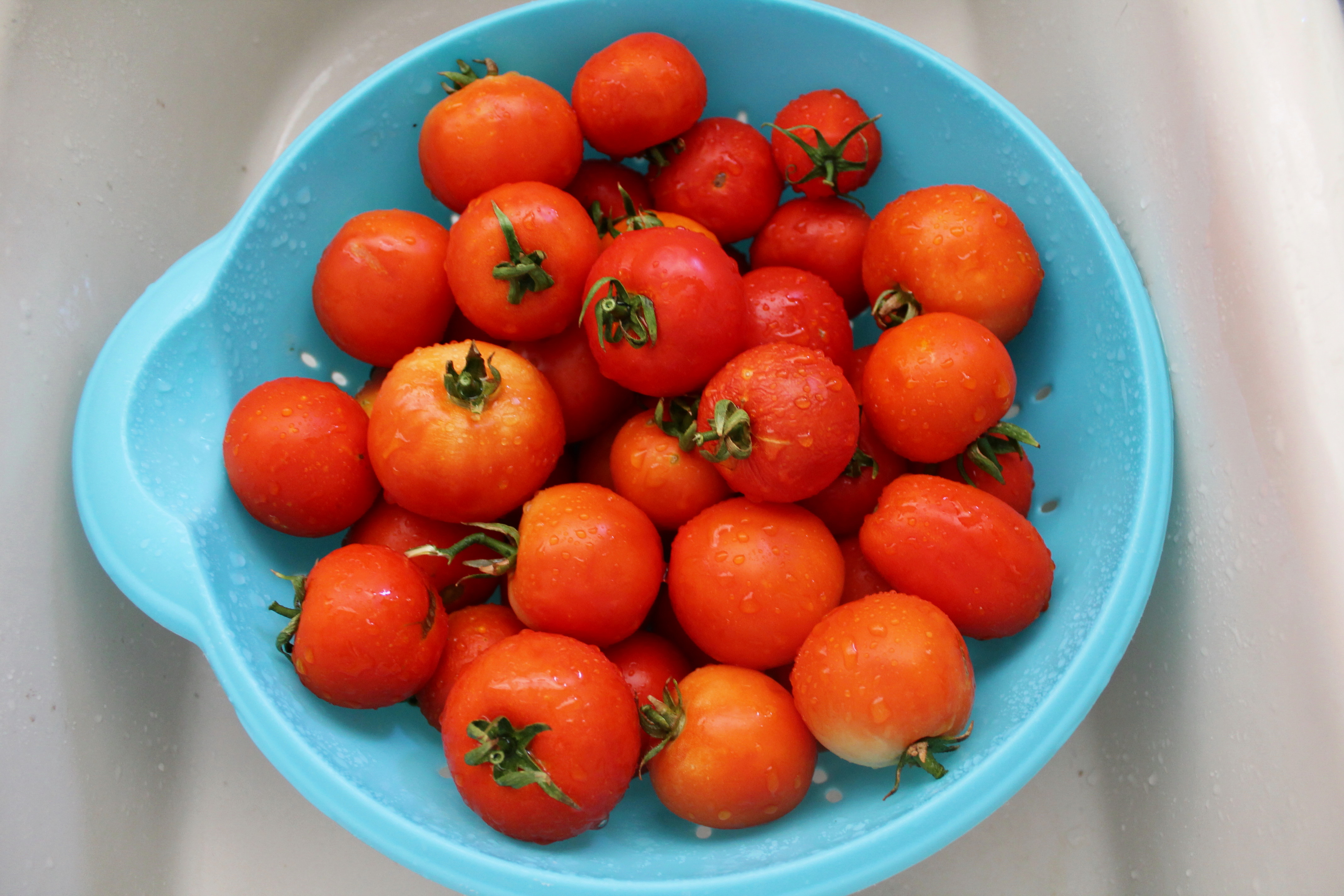
My parents’ garden has an abundance of tomatoes (and basil) at the moment. The past two summers we have canned homemade salsa, but this year I wanted to try something different. Enter homemade pasta sauce.
Rather than bring out all of the canning equipment, we decided to use a recipe for pasta sauce that could be frozen. Frozen food preservation has many advantages over its canned food counterparts, namely that it’s less time consuming and more nutrients are retained. Since the tomatoes were picked within 24 hours of preparing this recipe, and since cooked tomatoes are one of the few fruits/vegetables that actually have a higher nutritional content when cooked, you can’t get much healthier than this.
We chose a recipe from The Complete Book of Small-Batch Preserving (page 318). While the recipe indicated it would yield 8 cups, we ended up with about 6-1/2 cups. Still, it’s a good value compared to buying conventional pasta sauce in the grocery store.
Ingredients
3 Tbsp. olive oil
3 cloves garlic, minced
2 large onions, finely chopped
8 cups of chopped, peeled tomatoes (about 4 lbs) — we used a mixture of Roma and plum tomatoes. See my tutorial below for tips on how to peel.
1/2 cup dry red wine (my favorite!)
1/4 cup balsamic vinegar
2 Tbsp. red wine vinegar
1 6-oz. can tomato paste
1/2 cup fresh basil, finely chopped
1 Tbsp. capers
1 tsp. sugar
1/2 tsp. salt
1/2 tsp. ground pepper
Directions
To peel your tomatoes, you’ll want to blanch them in boiling water. Bring a large saucepan of water to a boil, and submerge about a half-dozen tomatoes into the water at a time, allowing them to cook for about 1 minute. Remove from boiling water and submerge into a bowl of cold water. At this point the skins will slip off relatively easily, but you may need to make a small slit in each tomato with a knife to aid in the peeling process. Continue these steps until all of the tomatoes have been blanched and peeled, and you have 8 cups of chopped tomatoes.
Next, heat the olive oil in a large saucepan over medium heat. Add the garlic and onion and cook for 8-10 minutes, stirring frequently.
Add the tomatoes, wine, balsamic vinegar and red wine vinegar to the pot. Bring to a boil, reduce heat and boil gently for 40 minutes, stirring frequently. Stir in the remainder of the ingredients, return to a boil, and cook for another 10 minutes, continuing to stir frequently.
Allow the sauce to cool for at least 1 hour before ladling into the freezer containers. The sauce may be refrigerated up to 1 week or frozen for up to 6 months.
It’s also really good as a simple dinner served with pasta and a dash of parmesan cheese, or as an accompaniment to polenta dishes.