Lunch at Louis’ Basque Corner

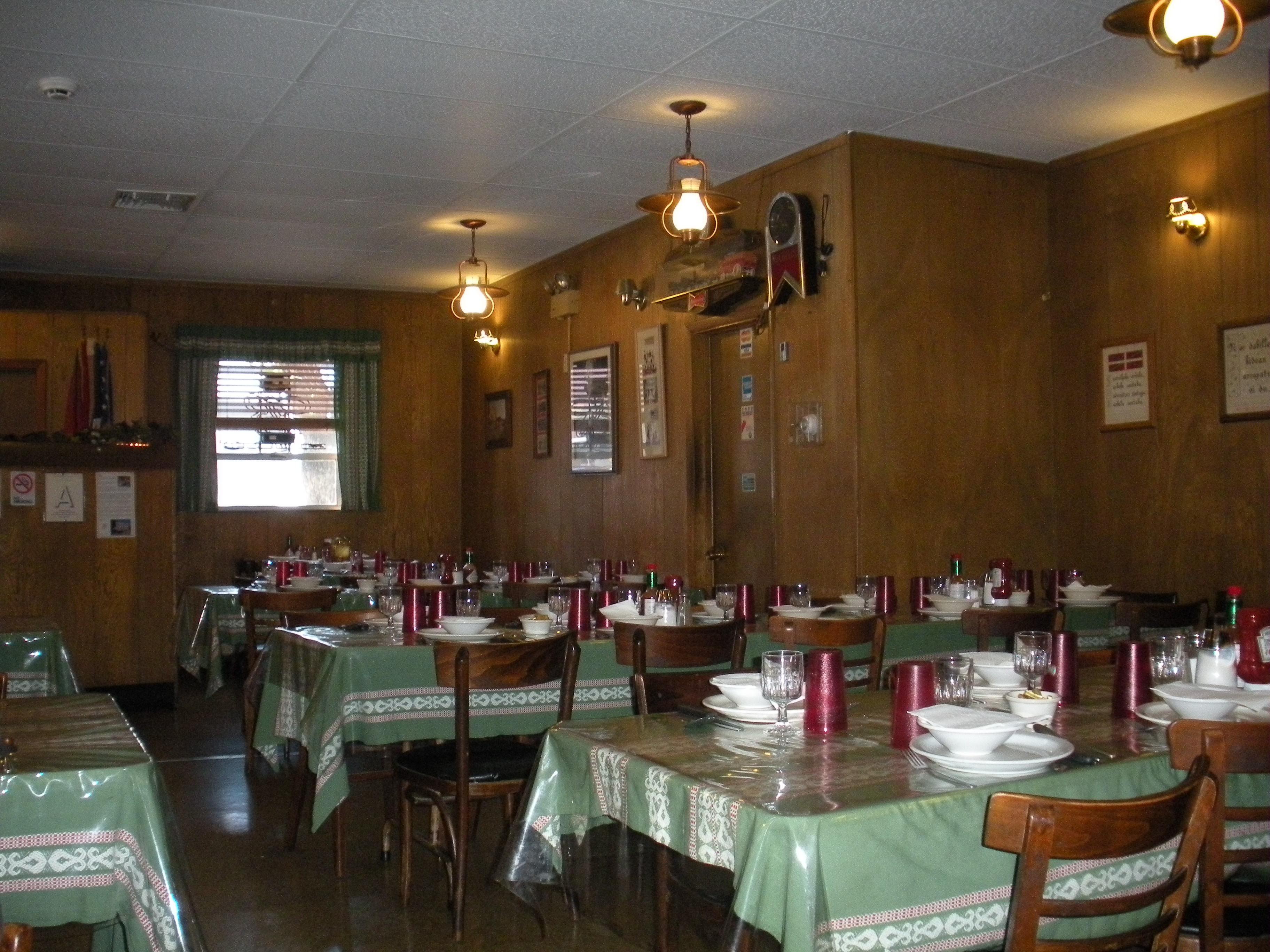
My husband and I just spent a long weekend in Reno, where we’re debating moving to in the distant future. While in Reno I had to try lunch at Louis’ Basque Corner because I had read about it in several books, and being the anthropologist that I am, I’m always up for cultural dining experiences.

Northern Nevada has its share of Basque people, who emigrated from southern France and northern Spain over 50 years ago to work as sheepherders. Louis’ Basque Corner has served generous-portioned lunches and dinners in downtown Reno since 1948. At the corner of 4th and Evans Streets, you can’t miss it.

The restaurant is set up with long tables good for family-style dining. We sat down at a table with another couple who were just finishing their meal. They turned out to be of Basque heritage, were really friendly, and gave us the heads up on Basque restaurants and festivals throughout the state of Nevada.

Our waitress was on top of her game and asked if we would like a cocktail as soon as we sat down. Although I was new to Basque dining, I had done my research ahead of time and ordered a Picon Punch. I’m not sure what’s in it, but it was sort-of similar to a Long Island Iced Tea and packed a powerful punch. The other man at our table commented that if we were to have three of those we would be under the table.

We went with the 3-course family style lunch and were quite pleased. For the first course we had New England clam chowder and bread. Our waitress also brought out half a carafe of their house red wine – included in the meal!

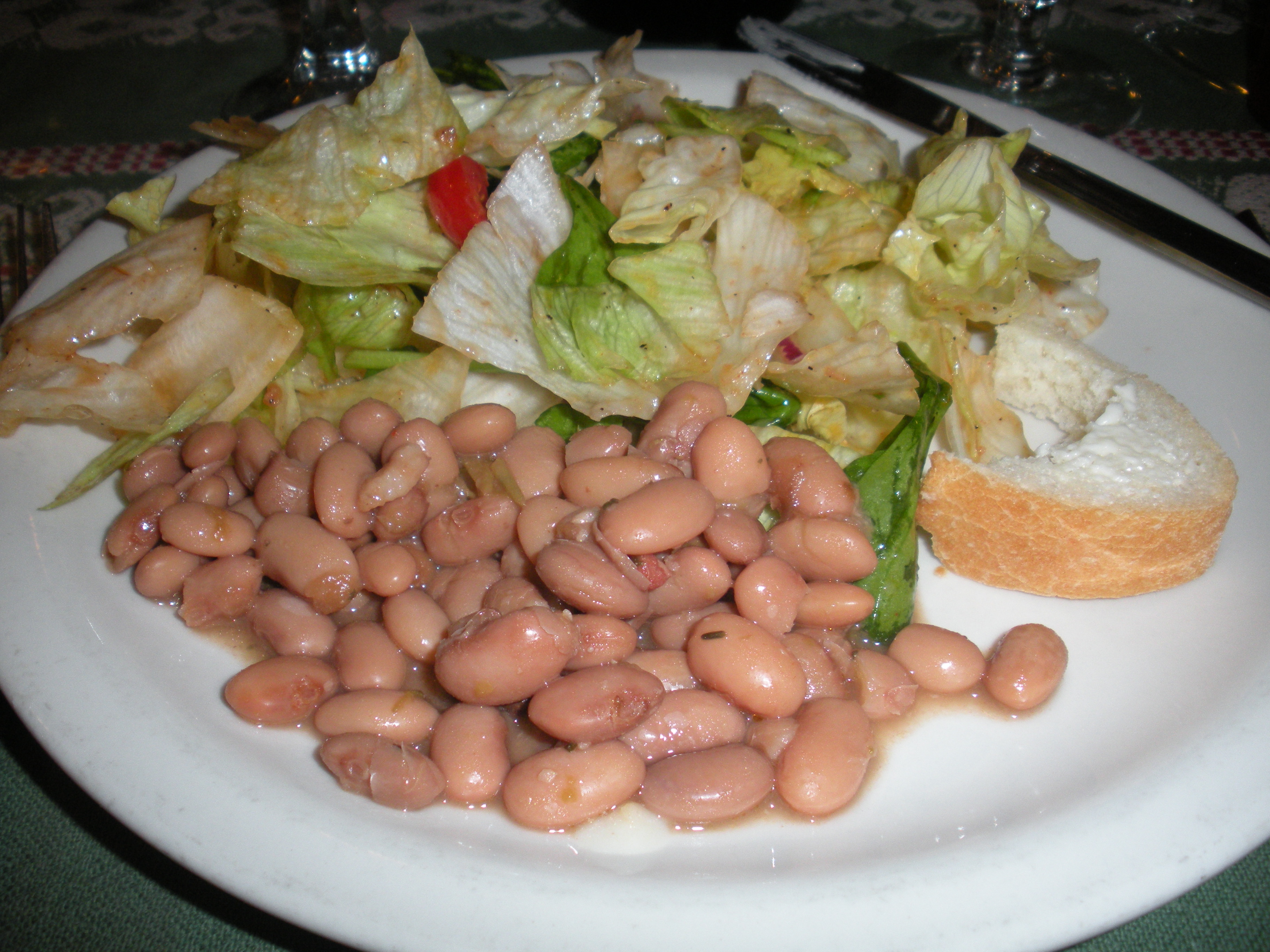
The second course was their house salad (loved the salad dressing) and Basque beans. The beans had Chorizo in them, but the pieces were large enough that I was able to pick them out (I don’t eat pork or red meat). My omnivorous husband, on the other hand, thought the beans were the best part.

They had about  a half-dozen items to choose from for the main course — including oxtails, tripe, cow thymus gland (sweetbreads) and fish. I chose Chicken Basquaise, four pieces of chicken on the bone with a tomato, green pepper and garlic-based sauce. I wasn’t disappointed.

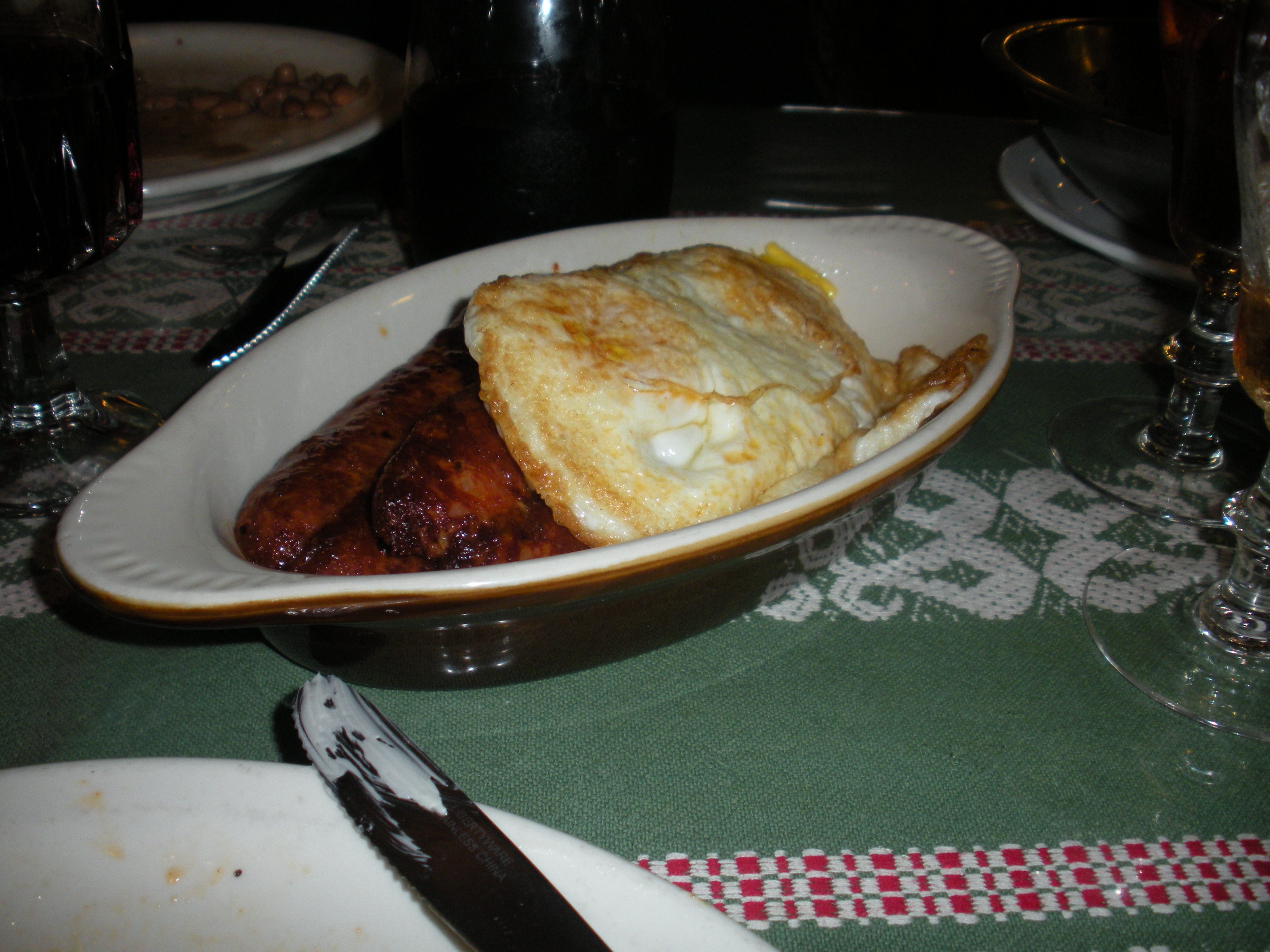
My husband chose the Saturday lunch special – chorizo and eggs. Both meals were accompanied by French fries with just the right level of crunchiness and saltiness. We were so full that we ended up taking half our food home. I’m told that dinner at Louis’ can be 6-7 courses and I can’t imagine eating twice as much food!

The best part came when our check was delivered and we learned the 3-course lunch was only $11.65 per person including wine! With our pre-lunch cocktails, the entire bill was only $33. The food and value were great, and this is definitely a place we would visit again. If we end up moving to Reno, we might just become regulars.

Louis' Basque Corner on Urbanspoon

Posted in Becky's Adventures, Restaurant Reviews | Tagged , , , , | 3 Comments

Island Beneath the Sea Virtual Book Discussion

Island Beneath the Sea: A Novel by Isabel Allende. Published in 2010.

Synopsis: This epic novel covers 40 years in the lives of Toulouse Valmorain, French plantation owner, and his concubine slave Zarité. Beginning in 1770 on the island of Saint-Domingue (now Haiti), this work of historic fiction intertwines the Saint-Domingue slave revolt — led by Toussaint Louverture — with multiple love stories. The protagonist flees Saint-Domingue with her master and children to Cuba, ultimately ending in Louisiana in 1810.

About the Author: A Chilean author born in Peru, Isabel Allende is the author of nine novels – many of which were New York Times bestsellers – a collection of short stories, four memoirs, and three children’s novels. Writing in her native Spanish, her work has been translated into 27 languagues. She currently resides in California, USA.

My Initial Reactions:

Where do I start? This nearly 500-page novel is not a quick read, but I have to say that, overall, I enjoyed it. The characters are complex, the story appears to have been well-researched, and Allende seems to have an answer to all of her readers’ questions.

I found it interesting that the story is told from multiple points of view, and that she includes perspectives from both grand blancs and mulattoes. This is not the first work of historic fiction involving Toussaint Louverture’s revolution in Haiti I have read — I read Victor Hugo’s Bug-Jargal in college — but this was an interesting spin-off of the events. I had never before considered the Haitian revolultion in light of the almost-simultaneous French revolution, nor the settling of French refugees from Saint-Domingue in New Orleans just prior to the Louisiana purchase. Though this is a work of fiction, Allende did a great job of blending history with the lives of her fictitious characters and making me feel that these were in fact real people.

My favorite character in the book was Violetter Boisier. Why is it that I always love the sex workers in literature? I loved how, despite the time setting, Allende had many strong female characters who were able to hold their own – Violette, Adèle, Tante Rose. I also found it interesting that the wealthy were the antagonists — living their luxurious, but ultra-boring lives while all the time getting fatter and fatter.

The only downside of the book was that I was a bit disturbed by the incestuous ending, even though I was quite sure from around page 200 that Jean-Martin would fall for Rosette and that would be how their blood relationship would be revealed.

So what did you think of the book? Did you enjoy it or did you think it was too drawn out? Are there any particular characters you particularly loved or hated? Please post in the comments below.

Next up: Girl in Translation: A Novel by Jean Kwok. Discussion begins October 21st.

Posted in Around the World Virtual Book Club, Movie Reviews/Book Reviews | Tagged , , , , , , | Leave a comment

Great Basin National Park – Part 2

Given the popularity of my other post on Great Basin National Park, I have decided to publish this second post. This article was originally intended for magazine publication, but without encountering luck in that market, I hope those seeking information on the park will find this article useful on my blog. For an account of my own road trip to Great Basin, as well as pictures, click here.

Located 234 miles west of Salt Lake City, 286 miles north of Las Vegas, 385 miles west of Reno, and just off the highway designated the “Loneliest Road in America,” one doesn’t visit Great Basin National Park simply because they’re passing through. You have to want to come here. With highlights including 13,063-foot Wheeler Peak in the backdrop, 5,000 year old bristlecone pine trees, the southernmost glacier in the United States, and the highest rock art concentration in the state of Nevada, Great Basin has plenty to see for visitors to make the trip worthwhile.

According to Ranger Katie Duncan, a member of Great Basin’s seasonal summer staff, “we love the seclusion.” 85,000 people on average visit the park annually and the vast majority visit in the summer. Although the park is open 362 days per year, some days in the winter months the park sees no visitors. In comparison, according to records kept by the National Park Service, approximately 4.4 million people visit Grand Canyon National Park annually, and 2.7 million people visit Zion National Park.

Caving

Lehman Caves, the centerpiece attraction of the park, was discovered in the early-1880s by Ab Lehman. Cave tours have been happening since the mid-1880s, when Ab Lehman would sit at the entrance to the cave, charge people $1 and give them a candle to explore the cave on their own for 24 hours. Things were different back then, as people would show up for tours in suits and dresses, the caves were pitch-black, and if your candle went out you would have to wait until your 24 hours were up and someone would come looking for you. While special 60-minute guided candlelight tours are now offered on weekends in the summer months, most people visiting the caves have the privilege seeing it lit by electricity.

Caves tours are available daily year round, except for Thanksgiving, Christmas Day and New Year’s Day. Two options are available – the 60-minute Lodge Room tour and the 90-minute Grand Palace tour. Children under 5 are not allowed on the Grand Palace tour, and children under 12 are not permitted on the candlelight tour. Ticket prices are $10 adult/$5 child for the 90-minute tour and $8 adult/$4 child for the 60-minute tour. Advance reservations are recommended in the summer months, when tours have been known to sell out. Tours are limited to 20 people.

Our tour guide for the 90-minute Grand Palace tour was Alex Jones, a conservation biology major at Arizona State University. According to Jones, the Grand Palace room is his favorite because there are “so many really cool formations like the parachute shield and the bulbous formation.” If you have the time, and are not travelling with small children, the 90-minute tour is worth the extra $2.

In addition to Lehman Caves, 40 caves may be found in Great Basin National Park, 8 of which can be explored after acquiring a special permit one may obtain through the Visitor’s Center. Rangers recommend you apply online two weeks before your planned visit.

Hiking & Camping Opportunities

As the majority of trails are located above 9,000 feet and covered with snow most of the year, the hiking season is generally limited to June through September. Trails range in length from the 0.3 mile Mountain View Nature Trail, accessible from the Lehman Caves Visitor’s Center to the 13.1 mile Baker Lake/Johnson Lake Loop with an elevation gain of 3,290 feet. For moderate hikes, check out the 2.7 mile Alpine Lakes Loop Trail and the 4.6 mile Bristlecone and Glacier Trail. Both trailheads are accessible from the Wheeler Peak Campground. The later trail passes through a 5,000-year-old bristlecone pine forest and ends at the only glacier in the state of Nevada. At the southern end of the park, and 25 miles south of the town of Baker, is the 3.4 mile Lexington Arch Trail. This trail, only accessible via unpaved road, leads to a six-story limestone arch.

Lower Lehman Creek Campground is the only campground open year round. Weather permitting, Upper Lehman Creek Campground, Baker Creek Campground, and Wheeler Peak Campground are open mid-May through September. Camping spaces are available on a first-come, first-served basis, and advance reservations are not available. Camping fees are $12 per night, $6 for Golden Age/Golden Access cardholders or when water is not available. There are also two primitive campgrounds located along Snake Creek and Strawberry Creek Roads, with sites available free of charge. Be prepared for cold temperatures and the possibility of snow during the summer months.

Wildlife found in the park include mountain lions, coyotes, bobcats, badgers, rabbits, rodents, mule deer, bighorn sheep, pronghorn antelopes, elk, and several species of bats. The park offers excellent opportunities for bird watching, and bird checklists may be obtained from the park’s visitor centers. Additionally, according to Park Superintendent Andy Ferguson, Great Basin is the home to “charismatic microfauna” – a scorpion with no sting, shrimp with no eyes, and six new fly species that had not been previously identified elsewhere.

Seasonal Activities

Spring is the best time for wildflower viewing in the park. In general, wildflowers are at their peaks in early spring at lower elevations and late spring at higher elevations. Prime areas for wildflower viewing include the Wheeler Peak Scenic Drive, Island Forest Trail and Baker Creek Trail.

In summer the historic orchard planted by Ab Lehman, adjacent to where the Lehman Caves Visitor’s Center now stands, has apples, apricots, pears, and peaches. Visitors can pick their own and take home a basket of fruit if they would like. Campfire programs are offered on the weekends, with topics including caves, bighorn sheep, mountain lions and the pinyon pine.

The first annual Great Basin National Park Astronomy Festival was held in August 2010. Stargazing in the park is generally good year round; in 2005 the National Park Service Night Sky Team determined Great Basin National Park to be one of the darkest places in the country.

Pinyon pine nut collecting is allowed in the park in the fall only. Individual households can collect up to 25 pounds of pine nuts annually for personal use, but commercial gathering is not permissible. Collectors are not allowed to drive off paved roads, and breaking off branches or climbing on trees is forbidden.

Winter is by far the quietest season in the park. While Wheeler Peak Scenic Drive and Baker Creek Road are both closed to vehicles during winter months, these routes are open for skiing and snowshoeing. A number of trails at lower elevations are popular for cross-country skiing and snowshoeing. Experts might challenge themselves to summit Wheeler Peak, Jeff Davis Peak or Bald Mountain, but the avalanche risk is high.

Andy Ferguson, Park Superintendent for the last two years, spoke of how Great Basin is the way national parks in the United States used to be. He’s made a career of working with the National Park Service at a number of sites and described his assignment at Great Basin as the park he’s “been looking for his whole career.”

For more information: Visit http://www.nps.gov.grba

Posted in Becky's Adventures | Tagged , , , , | 1 Comment

Boulder City Art in the Park

An almost-annual tradition in my family is attending Boulder City Art in the Park. Now in it’s 48th year, the event is held in the small town of Boulder City, Nevada about 45 minutes south of Las Vegas. This two-day event is generally held the first weekend of October and attracts over 300 artisans and 100,000 visitors.

Much of the offerings are rather impressive – handwoven African baskets, pottery, jewelry, textiles, paintings, sculptures, and culinary delights such as mustards, infused oils and vinegars. Of course, I forgot my camera!

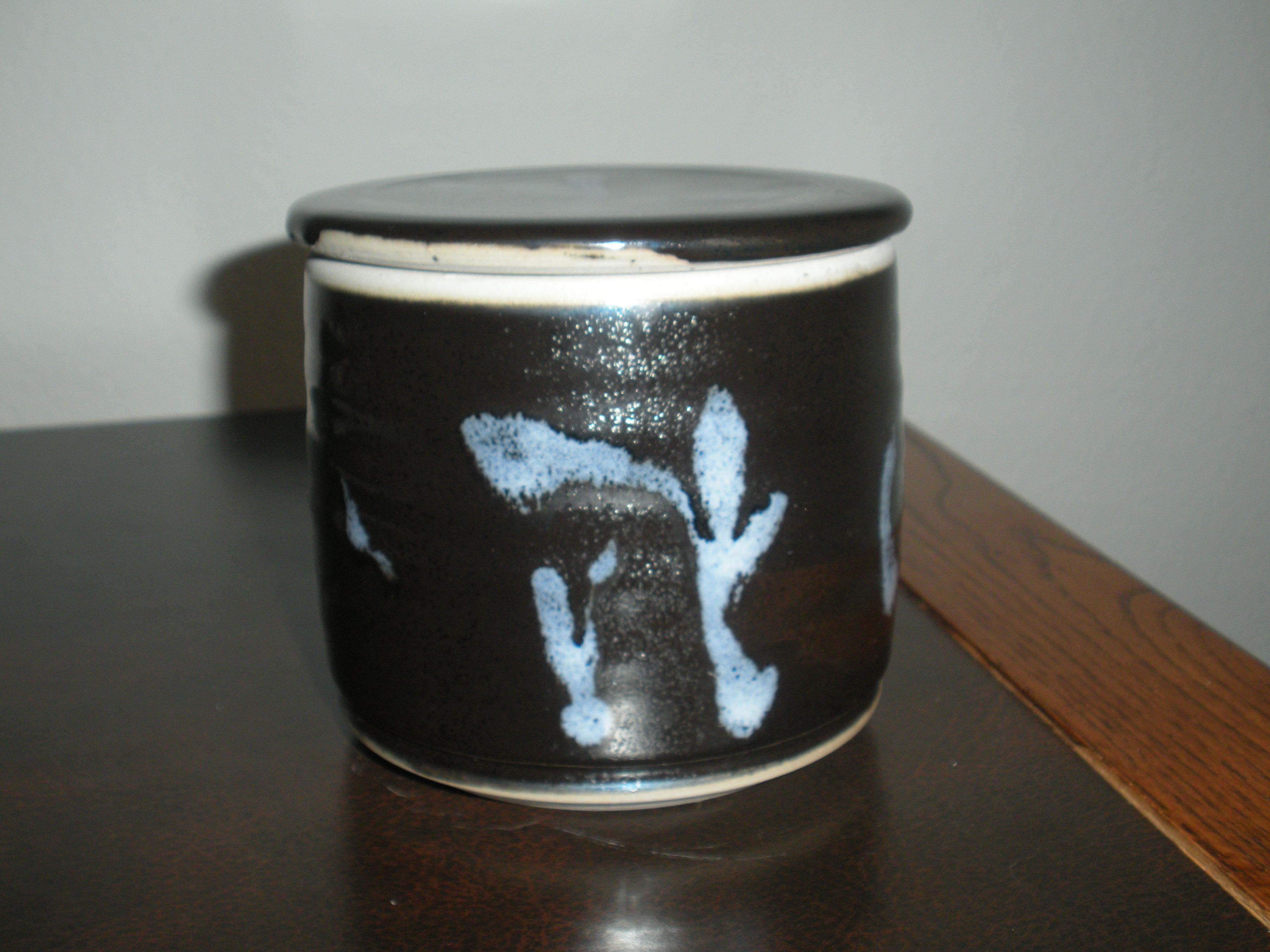
I could have easily spent several hundred dollars, but my frugalness got the best of me. My one purchase was this French butter dish made by Liscom Hill Pottery Works.

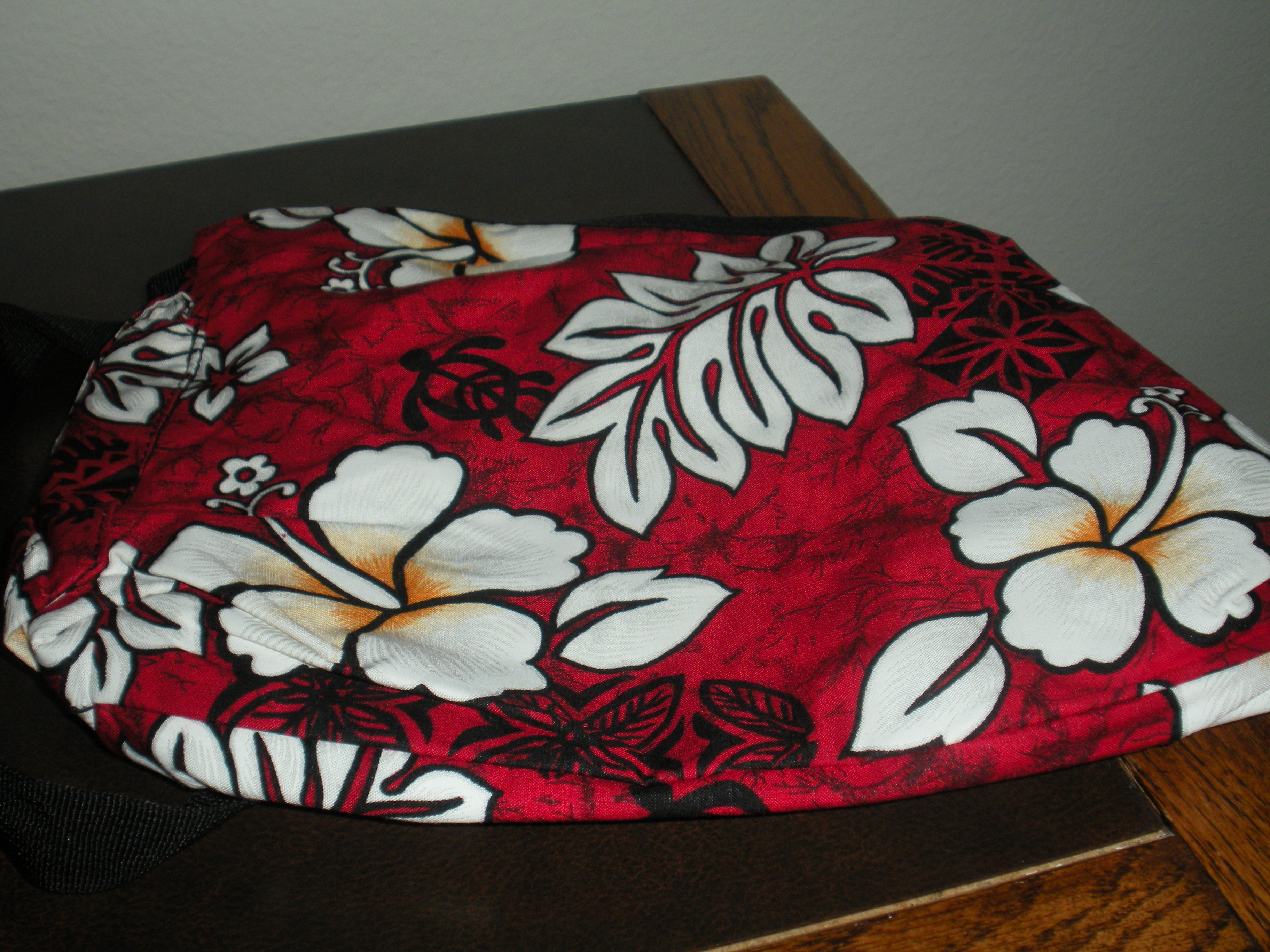
The entire event serves as a fundraiser for the Boulder City Hospital Foundation. The foundation generates a lot of funds from the Art in the Park raffle, which I am a big fan of since fate is involved. Every artist is required to donate at least one piece of artwork, plus there are other prizes donated such as hotel packages and gift certificates. About an hour after purchasing my 6 tickets I received a phone call that I had won this Hawaiian-themed bag from Sun Connection.

With 5 tickets still in the bin, I’m waiting for them to call back that I’ve also won an expensive painting…

While basic fair food, Oktoberfest offerings, and a plentitude of alcoholic beverages are sold at the festival, my mom, friend Crystal and I chose to enjoy an air-conditioned lunch at the Boulder Dam Brewing Company, where microbrews and pub specialties abound. I opted for their seasonal Oktoberfest Marzen and a tuna wrap with garden salad — what I deemed as ‘a healthy choice.’ My mom and friend sampled the chili and bratwurst, and reported that everything was quite good.

Here are some tips if you plan to go to Boulder City Art in the Park:

  • The event is held the first Saturday & Sunday in October. Although it is officially open from 9 am to 5 pm, we got there about 8:45 am and it was already crowded and vendors were open for business.
  • Parking: Driving into town from Las Vegas/Henderson there were signs directing you to a park-and-ride that is quite a distance from the park, but will shuttle you there. We drove past this into town and parked on a residential street only about 4 blocks away. You might have to drive around a bit to find a spot and have  awesome parallel parking skills, but there are generally spots available here. There is also paid parking ($8-10) available closer to the park.
  • Most vendors accept credit cards, so you don’t have to worry about carrying a lot of cash.
  • Temperatures in Boulder City in early October can reach close to 100 degrees, so remember to dress appropriately and drink lots of water.
  • The website http://www.bouldercityhospital.org/art-in-the-park/ has loads more practical information on the event and the cause.
Posted in Becky's Adventures, Las Vegas | Leave a comment

In Cold Blood Virtual Book Discussion

In Cold Blood by Truman Capote. Published in 1965.

Synopsis: Capote’s famous work is considered a pioneer in the literary form of ‘non-fiction novel.’ Based on the true account of the multiple murders of the Clutter family on their farm in rural Kansas, the story is divided into four parts. Beginning with the day the four Clutters were killed, Capote alternates between the actions of the Clutter family and the premeditations of their two killers, Dick Hickock and Perry Smith. In subsequent sections, the story goes into the time elapsed between the murders, the investigators solving the case, the capture of the two criminals, the trial and the build up to their ultimate fate. Meanwhile, the novel serves as a sort-of biography to the two killers as well.

About the Author: Master of the non-fiction novel, in his lifetime Capote published several other works including Other Voices, Other Rooms (1948), The Grass Harp (1951) and Breakfast at Tiffany’s (1958). In Cold Blood, his most famous work, was originally published as a four-part series in The New Yorker in 1965, and then appeared in book formed in 1966. A journalist at heart, Capote spent considerable time in Kansas conducting research for this novel, including intimate interviews with both Smith and Hickock. A witness to their executions, friends of Capote said he never fully got over it. The author died in 1984 at the age of 59, finally succumbing to his alcoholism and drug abuse.

My Initial Reactions:

I don’t know if it was because I first read the introduction, or because the plot of the book is already ingrained in our cultural knowledge, but I wasn’t bothered by the fact that I already knew who the killers were and their ultimate fate prior to beginning the book. In a way, it reminded me of The Lovely Bones, in which the killer’s identity is revealed in the first chapter, but you find yourself reading in anticipation of suspense, wondering if he will ever get caught or kill again. With the case of In Cold Blood, I found myself wondering early on what the killers’ motives were and how the case would finally be solved and the killers caught.

In beginning the fourth section of the book ‘The Corner,’ I already knew the book would end with the executions of Hickock and Smith approximately 5 years after their capture because I had cheated and read their Wikipedia pages. However, reading that section led me to think more deeply about other questions involving the United States’ judicial system. For example, Hickock and Smith originally met in prison while they were serving short-term sentences for petty crimes. I wondered, given what the two criminals did after they were parolled: does the U.S. prison system rehabilitate criminals or make criminals more vicious?

Also, I have long been an opponent to capital punishment for multiple reasons, but this book made me ponder my arguments more closely. Once a killer, is the person always going to be a killer, or is there the possibility of rehabilitation? Hickock and Smith were undoubtedly known to be guilty from the time of their capture, yet there was a lengthy appeals process after their initial trial to appeal the form of punishment they were granted. I found KBI Agent Dewey’s views on the execution interesting (page 407):

The preceding execution had not disturbed him, he had never had much use for Hickock, who seemed to him “a small-time chiseler who got out of his depth, empty and worthless.” But Smith, though he was the true murderer, aroused another response, for Perry possessed a quality, the aura of an exiled animal, a creature walking wounded, that the detective could not disregard. He remembered his first meeting with Perry in the interrogation room at Police Headquarters in Las Vegas – the dwarfish boy-man seated in the metal chair, his small booted feet not quite brushing the floor. And when Dewey now opened his eyes, that is what he saw: the same childish feet, tilted, dangling.

This brings me to my final comment, that in reading the story I actually liked Perry Smith. Maybe it was that I felt sorry for him, because he came from a broken family where half of his siblings had committed suicide. Maybe it was the embarrassment I felt for him being ashamed to show his legs in public after his motorcycle accident. Capote also shows the other side of Perry — the man who kept a squirrel as a pet in the Finney County Jail and taught him tricks; the man who carefully pondered the menu for his reunion with an old military friend who came as a character witness for his trial; the man whose last words were “I apologize.” I did not feel this remorse with Hickock, who apparently had quite a pleasant upbringing and I could not understand his madness.

So what did you think of the book? Do you totally disagree with what I have to say? Did you read the book many years ago in high school or college and still remember something striking about it? Please share your comments below.

Next Up: Island Beneath the Sea: A Novel, the new release from Chilean author Isabel Allende. Discussion begins October 7th.

Posted in Around the World Virtual Book Club, Movie Reviews/Book Reviews | Tagged , , , , , | 1 Comment