The Summer of Shakespeare, Part 1

For my big summer reading project, I’ve been plowing my way through The Modern Library’s Complete Works of Shakespeare. I’m currently on page 2366 out of 2485, so I hope to review that soon. In the meantime, the Las Vegas Non-Fiction Book Group of which I am a member chose Bill Bryson’s Shakespeare: The World as Stage as its latest book for discussion.

Bryson’s books is part of a Harper Collins biography series called “Eminent Lives.” The book itself isn’t very long — just under 200 pages — and as Bryson points out in the beginning, not much is really known about Shakespeare to write about.

Rather, Shakespeare: The World as Stage uses typical Bryson humor to explore Shakespeare nostalgia, poke fun at people who have devoted thousands of hours to researching obscure facts about the world’s most famous playwright and debunk Shakespeare-related conspiracy theories. And since not much about Shakespeare’s life can actually be proven — aside from a handful of details that can be gathered from a half-dozen legal documents from Shakespeare’s time — the book is interspersed with anecdotes about the Elizabethan age that will make you glad you didn’t live in that time period.

As I am currently reading The Complete Works, I didn’t especially enjoy Bryson’s book because I didn’t think it added much more to the narrative about Shakespeare’s life and what influenced his plays than I had already been reading about. In fact, I came to the conclusion that, despite how much I love studying Shakespeare’s plays, I don’t really care to know the details of his personal life at all.

I’d much rather read discussions about Shakespeare’s art rather than mundane facts about his life. For example, what inspired him to write such a twisted play as Titus Andronicus? How did the current events of Shakespeare’s day influence how the monarchy is portrayed in his history plays? I don’t really care why Shakespeare only left his wife his second-best bed and whether or not he was secretly gay.

Last night’s book club discussion also allowed an opportunity to try out a new restaurant in southern Nevada: Shakespeare’s Grille & Pub in Henderson.

On a Monday evening, the restaurant wasn’t too busy and our waitress was friendly and gave decent service. We met at 6:30 pm to take advantage of happy hour (it’s daily from 4 pm – 7pm), which turned out to be a pretty good deal.

They have over one dozen beers on tap, and while they were out of my first choice (Kilkenny), I went with a pint of Boddington’s. During happy hour, imports are $1 off and domestic pints are just $3. They also have selection of appetizers/small plates for $4.95 — chips & curry, chicken tenders, nachos, fish tacos.

I went with an order of fish tacos, which features the same deep-fried beer battered cod that’s featured in the fish & chip they claim to be the best in town and was in fact rather tasty. (For the record, the Crown & Anchor also claims to have the best fish & chips in town, but they’re in Las Vegas, not in Henderson.)

Our group of five also shared two orders of the chips & curry — thick wedges of fried potatoes with gravy. I left full and only $15 dollars poorer — including tax and tip — so it was definitely a bargain.

Our waitress was keen to point out the pub quiz nights they host every Wednesday night at 7 pm and the “Ladies Night Out” bottomless wine for $10 they have every Friday from 4 – 7 pm. I also noticed a late night menu, featuring discounted bar food such as sliders and meat pie after 10 pm.

I would come back here again soon if I didn’t live 45 minutes away.

Shakespeare's Pub on Urbanspoon

Posted in Las Vegas, Movie Reviews/Book Reviews, Restaurant Reviews | Tagged , , , , , , , , | 1 Comment

Trail of Crumbs Book Review + Spicy Cioppino with Creole Stuffing

When I heard Kim Sunée speak at the BlogHer Food ’12 Conference, I knew I had to read her memoir Trail of Crumbs: Hunger, Love and the Search for Home.

When Kim was appromixately three years old, her birth mother took her to a marketplace in her South Korean hometown and abandoned her on a bench. When the police found her three days later, all that was on her possession was a fistful of crumbs.

Without knowing the details of her birth and family origin, Kim is adopted by a young American couple from New Orleans. She and her younger sister, also a Korean adoptee, are the only Asians to grow up in her Louisiana neighborhood.

Trail of Crumbs devotes a few chapters to Kim’s childhood and adolescence, but quickly fast-forwards to her early 20s, which becomes the heart of the book. She’s in France as a student, meets a Swedish guy and moves with him to Stockholm, then meets Olivier Baussan (the French businessman who founded the companies L’Occitane and Olivier & Co.) and moves with him to Provence.

Throughout the book Kim struggles with issues of identity, discovering who she truly is and what she wants in life and finding a place to call home. While it may appear on the outside that she has it all — a wealthy lover who does everything to try to make her happy, an adorable step-daughter, dozens of friends, delicious meals to eat and social gatherings to attend every night, trips to exotic locations — Kim struggles with depression and hungers for a sense of place.

Hunger is a central theme throughout the book, and while the book is laced with culinary descriptions and recipes, this story is truly about one’s search for self. On many levels, I could identify with Kim’s restlessness and wanderlust, never being completely at home anywhere and always looking for the next place to run to.

What makes this book a gem is the sheer honesty of Kim’s writing. She discusses some highly personal topics throughout its pages as she deals with an overwhelming sadness, the deaths of loved ones, the inability to buy happiness and trying to find her place in the world. The book is well-written, and I would like to read her second book too, which according to her blog, will be a book of poetry interspersed with recipes. And now I also really want to visit French Guiana too (if you read the book you’ll see why).

As the book contains numerous recipes of Cajun, Creole, Korean, Swedish and French-inspired dishes, I naturally wanted to make one of Kim’s recipes to accompany this blog post. I had settled on “Poppy’s Crawfish Bisque” — one of her grandfather’s recipes — and had purchased nearly all of the ingredients when I then couldn’t find crawfish at any grocery store in Las Vegas.

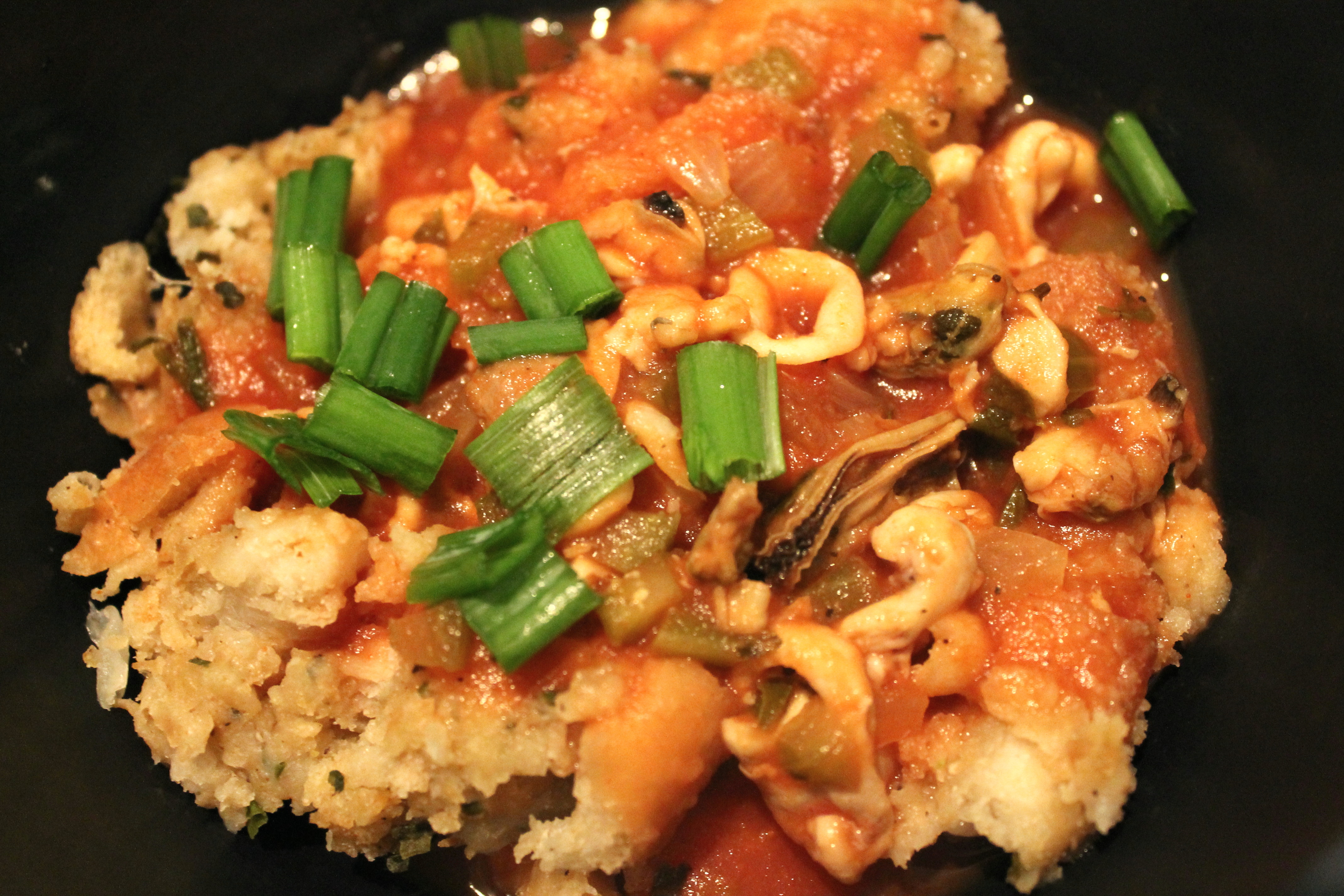
So I significantly adapted Kim’s recipe and made “Spicy Cioppino with Creole Stuffing” instead. It turned out pretty tasty and even got an “A” from my husband.

Ingredients

  • 2 loaves French bread
  • 3 tablespoons olive oil
  • 2 tablespoons butter
  • 2 small Vidalia onions
  • 4 celery ribs
  • 2 green onions + additional for garnish
  • 3 tablespoons chopped fresh parsley
  • 6 cloves garlic
  • 2-1/2 tablespoons dried oregano
  • 2 teaspoons salt
  • 2 teaspoons ground black pepper
  • 2 teaspoons ground cayenne pepper
  • 2 pounds assorted seafood (I used a mixture of shrimp, clams, mussels, calamari and octopus)
  • 4 – 6 cups water
  • 1 cup white wine
  • 60 ounces of canned tomato sauce
  • 2 bay leaves
  • 1 teaspoon Creole seasoning
  • 1/2 teaspoon sugar

Directions

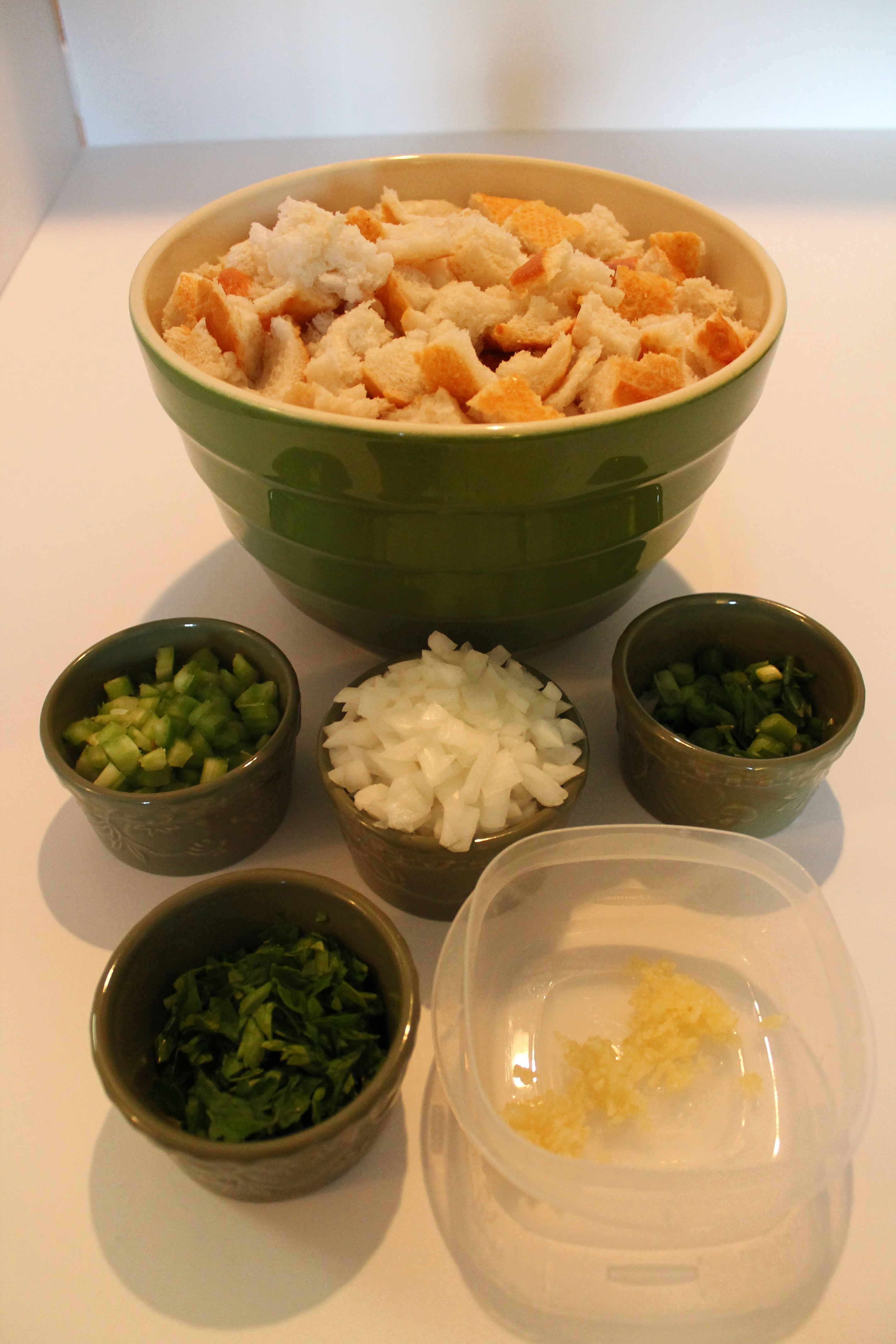
1. Prep work for the cioppino: Dice the smaller of the 2 onions, 2 ribs of celery and mince 2 cloves of garlic.

2. If your seafood is frozen (which mine was since I live in the desert), place in a colander and run under cool water for about 5 minutes to thaw. As you won’t need to add to to the stew for a while, return to the refrigerator, preferably placing a dinner plate under the colander so you don’t get stinky fish juice all over your fridge.

3. Heat 1 tablespoon of olive oil in a large pot over medium heat. Add the chopped onion and celery and cook for 5 minutes. Add garlic and cook for 1 minute. Stir in tomato sauce, 4 cups of water and wine. Add bay leaves, 1 tablespoon oregano, 1 teaspoon salt, 1 teaspoon black pepper, 1 teaspoon cayenne pepper, 1 teaspoon Creole seasoning and 1/2 teaspoon sugar. Bring to a low boil, reduce heat and simmer for 30 minutes. Stir occasionally.

4. In the meantime, do the prep work for the stuffing. Cube the bread, being careful not to eat too much of it in the process (I ate about 15% of the bread and still had enough for the stuffing). Cover bread with 1/2 – 1 cup cool water to moisten and set aside. Dice the larger onion, 2 celery ribs, 2 green onions, the parsley and mince 4 cloves of garlic.

5. Add the seafood to the cioppino. Return to a low boil. Reduce heat and simmer for at least another 30 minutes, stirring occasionally, while you prepare the stuffing.

6. Heat 1 tablespoon olive oil and 2 tablespoons butter in a large skillet over medium heat. Add onion, celery and green onions and cook for 7 minutes, stirring occasionally. Add bread and stir to coat with onion-celery-green onion mixture. Add parsley, garlic, 1 tablespoon oregano, 1 teaspoon salt, 1 teaspoon black pepper, and 1 teaspoon cayenne pepper. Cook for 10 minutes, stirring frequently. Add up to 1 cup of water, a little at a time, as needed so your stuffing doesn’t dry out.

7. To serve, place about 1 cup of stuffing in a soup bowl. Top with 1 cup of cioppino and garnish with a few chopped green onions.

Total prep time for this recipe is about 3 hours. The recipe serves approximately 8 -10 people. I served this with a bottle of French Gerwurtztraminer, which was a bit too sweet for my tastes on its own, but paired well with the spicy cioppino.

Posted in Around the World Virtual Book Club, DIY, Movie Reviews/Book Reviews, Recipes | Tagged , , , , , , , | Leave a comment

An Impromptu Photo Shoot

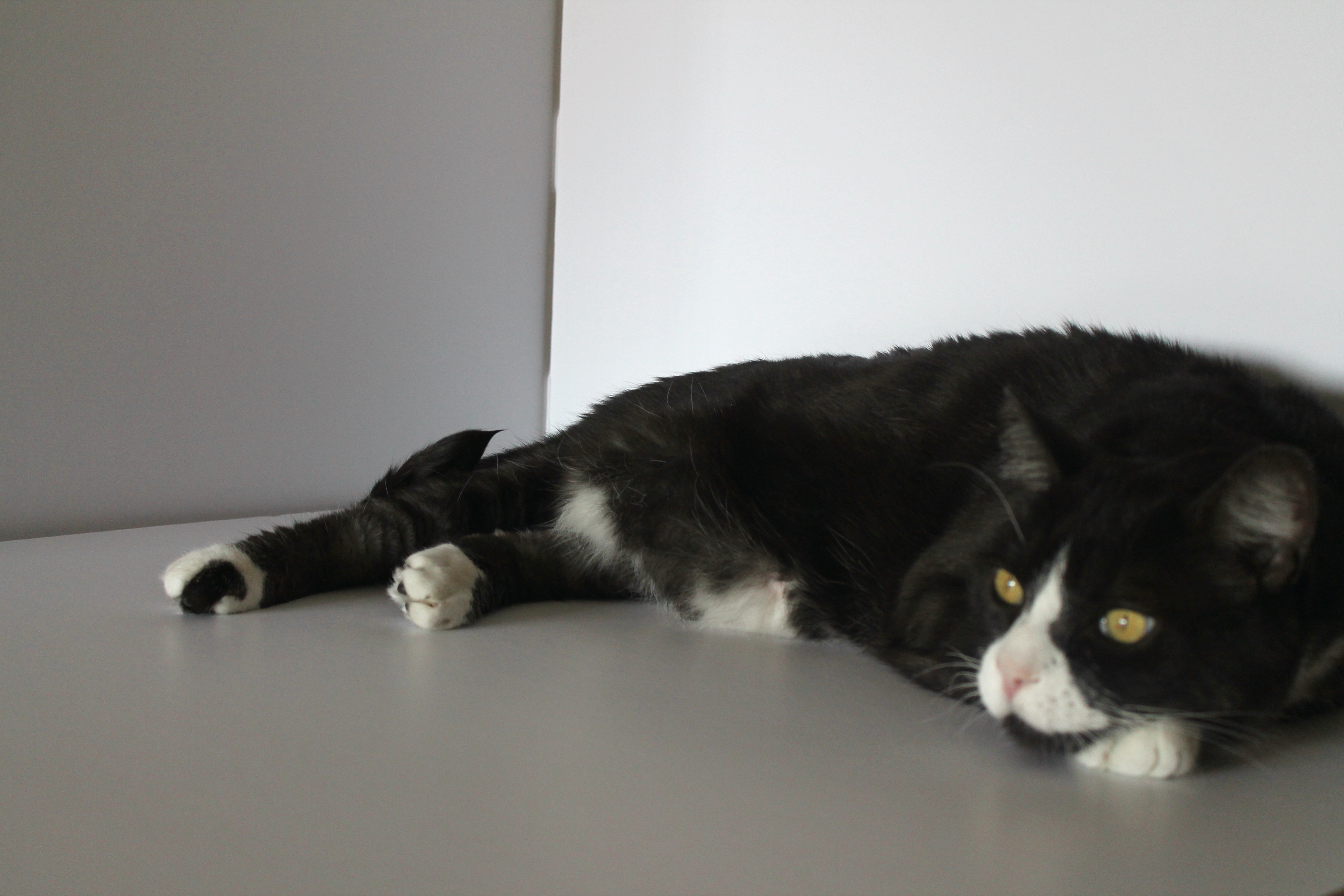
What happens when you try to create a makeshift photography studio on your dining room table to make your recipe posts look more professional?

Cioppino recipe and a book review will follow tomorrow morning. I’m tired and I’ve been cooking all afternoon.

Posted in Photography | Tagged , , | 2 Comments

Dining Out in DC

While in Washington, DC for the International AIDS Conference I had the opportunity to try out several local restaurants, mostly for either lunch or happy hour and mostly within walking distance of the Convention Center. In the process, I discovered that DC is a great city for vegetarians.

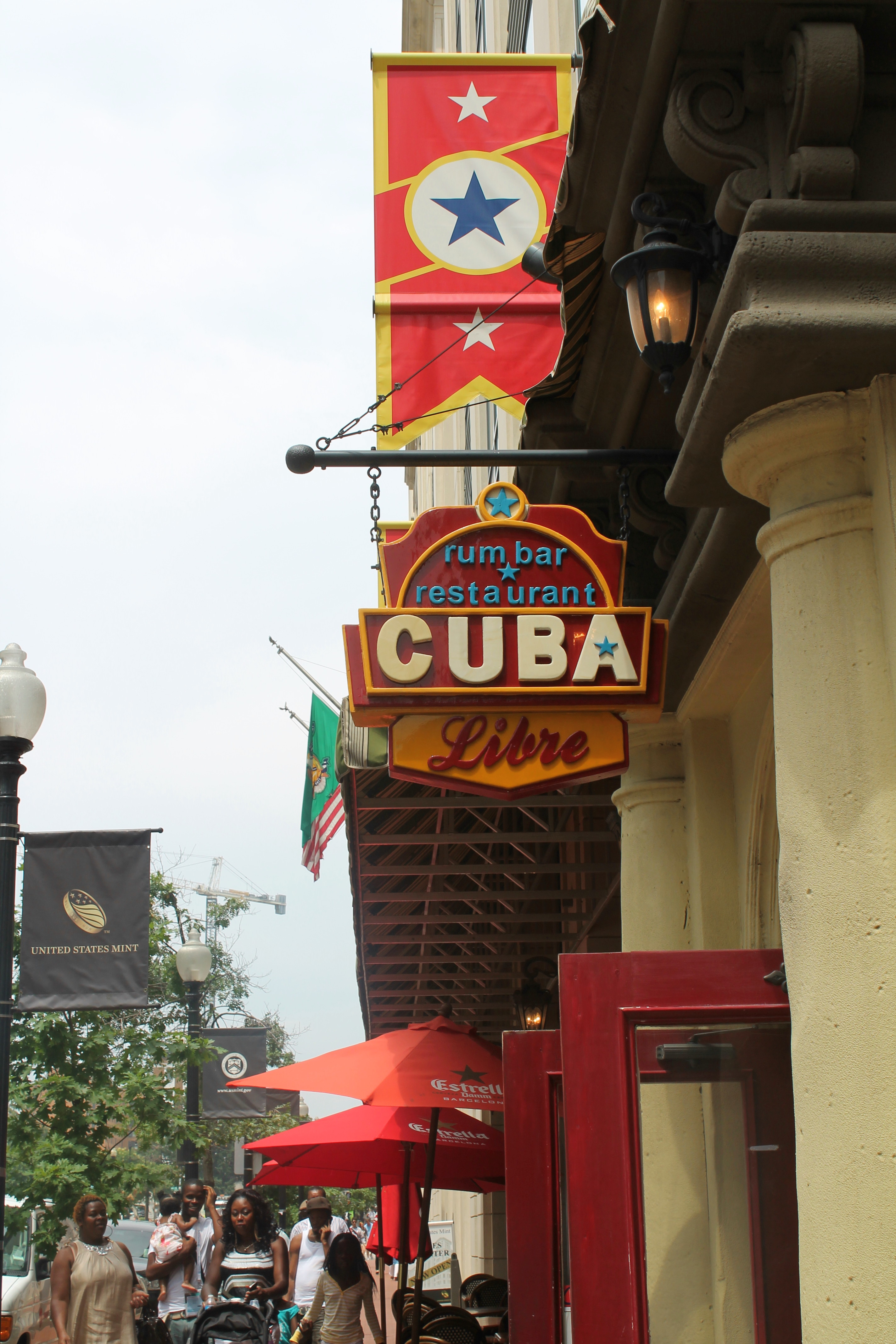
Cuba Libre Restaurant & Rum Bar (corner of 9th & H Streets NW) features Cuban-inspired lunch, dinner and happy hour offerings, and as its name suggests, has an extensive menu of rum-based drinks. I arrived at the peak of the lunch crowd, and as there was a 20 minute wait for a table, I opted to sit at the bar. From Monday – Friday, Cuba Libre features a Rápido Lunch menu with five options: seafood, vegetarian, chicken, “Visit to Havana,” or a Cuban Bento Box. Ranging in price from $12.50 to $16, you will get 3-4 small portions of some of the restaurant’s signature dishes. Service itself was also “rápido” despite the obvious crowd. I received my lunch within about 10 minutes of ordering.

I opted for the vegetarian lunch, which included a cup of black bean soup, a small but tasty salad and flatbread topped with vegetables and cheese. As the cheese was the only dairy on my plate, this meal could easily be made vegan. The lunch was quite tasty and it sure beat the alternative of over-priced convention center food. I also had a blueberry mojito, which was a bit pricy at $10.50, but contained a generous amount of alcohol and hit the spot.

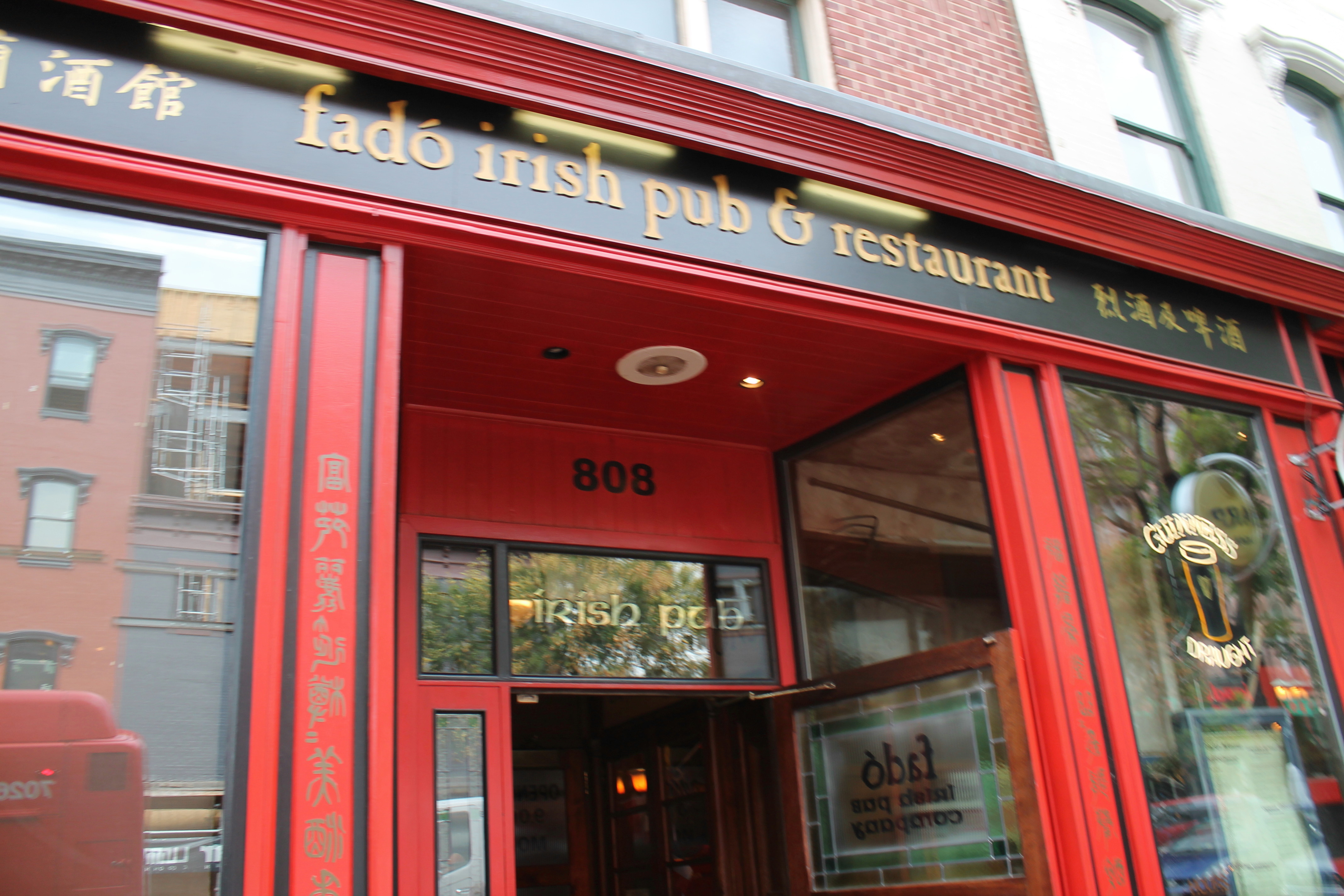
Fado Irish Pub (corner of 7th and H Streets NW) was likely the best social dining experience I had in DC, but I guess that’s what Irish pubs are known for. I again sat at the bar, and learned that the bartender had also lived in Vegas for several years, so we had much to discuss. Beer was a bit pricy at $6.15 for a pint of Smithwick’s and I ate their Farmhouse Salad with poppy-seed dressing, which was pretty tasty but priced at $6.25. Only upon researching this post did I learn they have a happy hour. Regardless, I would go back here for the fun atmosphere and warm hospitality.

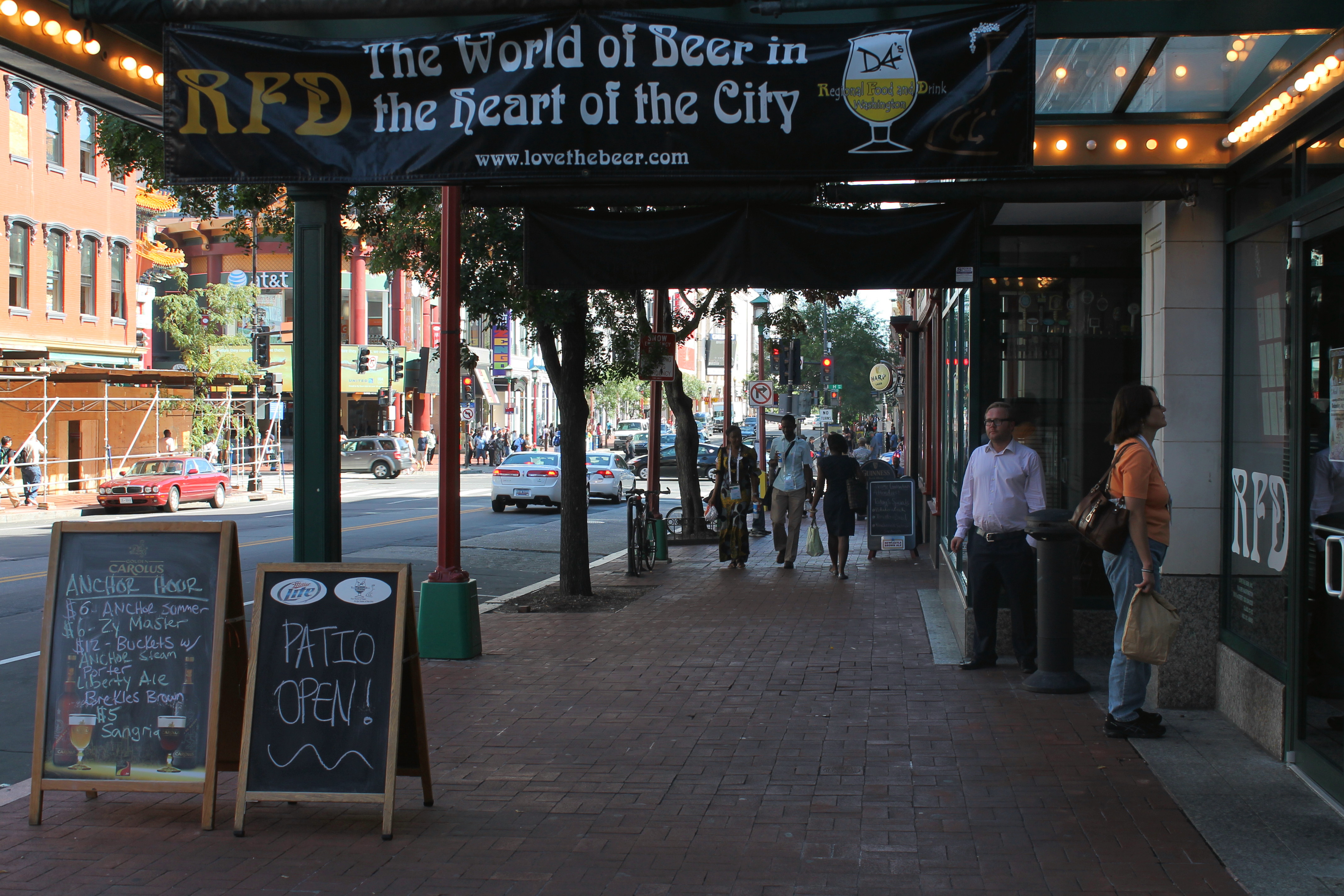
Regional Food and Drink (7th & H Streets NW and next door to Fado Irish Pub) is the place to go in DC if you’re a beer enthusiast. Their extensive beer menu features over 300 different bottled brews and several dozen draft beers are also available. They do have a well advertised happy hour, with a different featured beer special each day of the week. Because of their daily special, I tried the Anchor Zymaster Special #2, which was a rather hoppy brown ale. The food menu features standard bar food such as burgers, sandwiches and appetizers. I opted for the hummus plate, which was served with a variety of sliced veggies and warm pita bread. Service was mediocre despite the restaurant not being crowd, and there was nowhere near the hospitality of Fado’s.

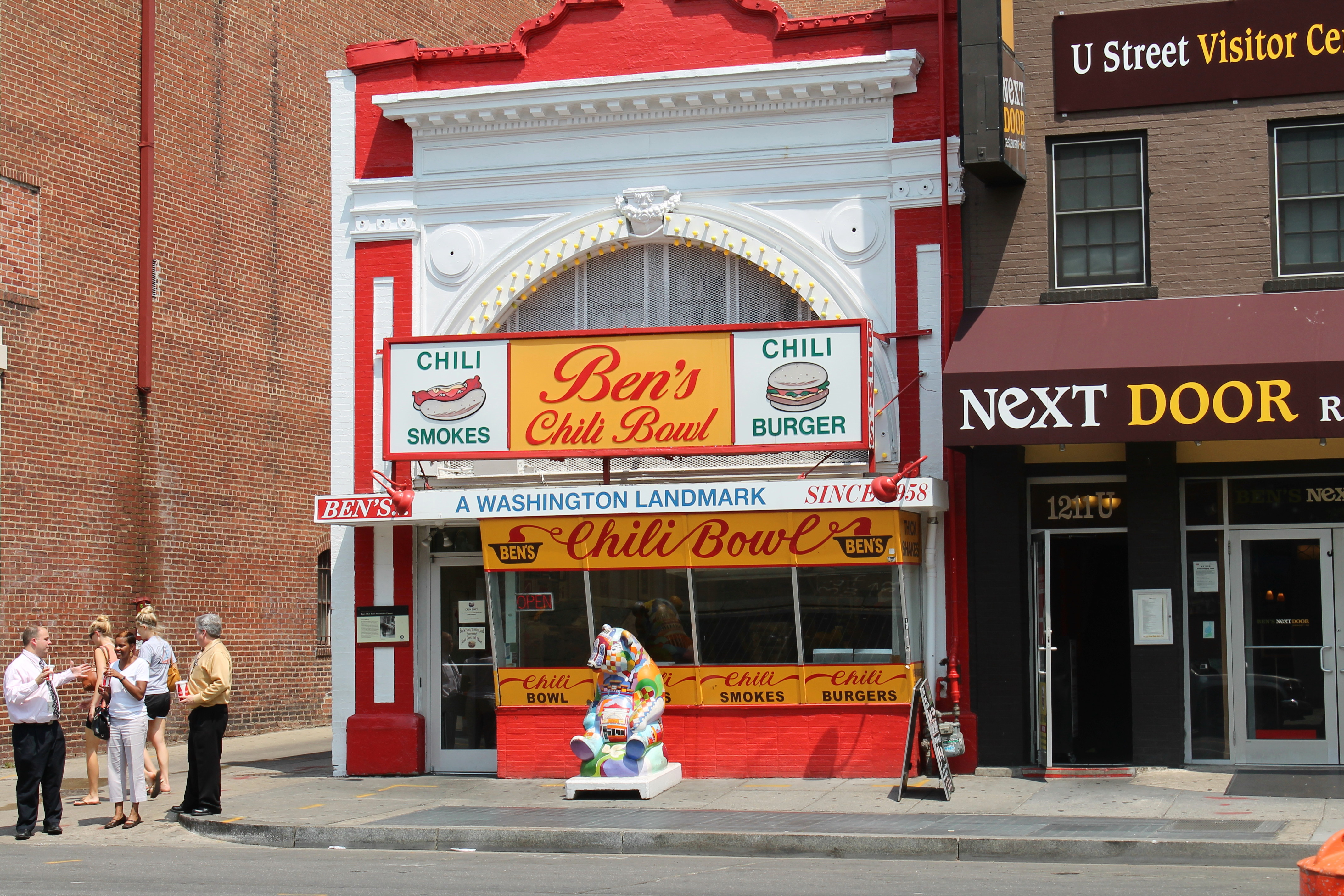
Ben’s Chili Bowl (13th and U Streets NW) is a Washington, DC landmark, on multiple foodie lists and even has its own Wikipedia page where you can read all about this restaurant’s unique history. Ordering is done at the counter, and while I went a bit early for lunch (11:30), I had no trouble finding a seat. This eatery gets a “green seal of approval” from me for being 100% wind-powered. There’s also a gift shop next door where you can buy Ben’s Chili Bowl souvenir merchandise.

What Ben’s Chili Bowl is largely known for is the “half-smoke,” a large sausage made from 50% beef and 50% pork, which may be smothered with their homemade chili. I opted for the vegetarian version, and while my server warmed it up in the microwave, I was grateful it wasn’t cooked on the same grill as the meat versions. The chili was a mixture of kidney beans and texturized vegetable protein, and my veggie dog was served with a side of potato chips. This eatery is definitely worth a visit for the experience alone.

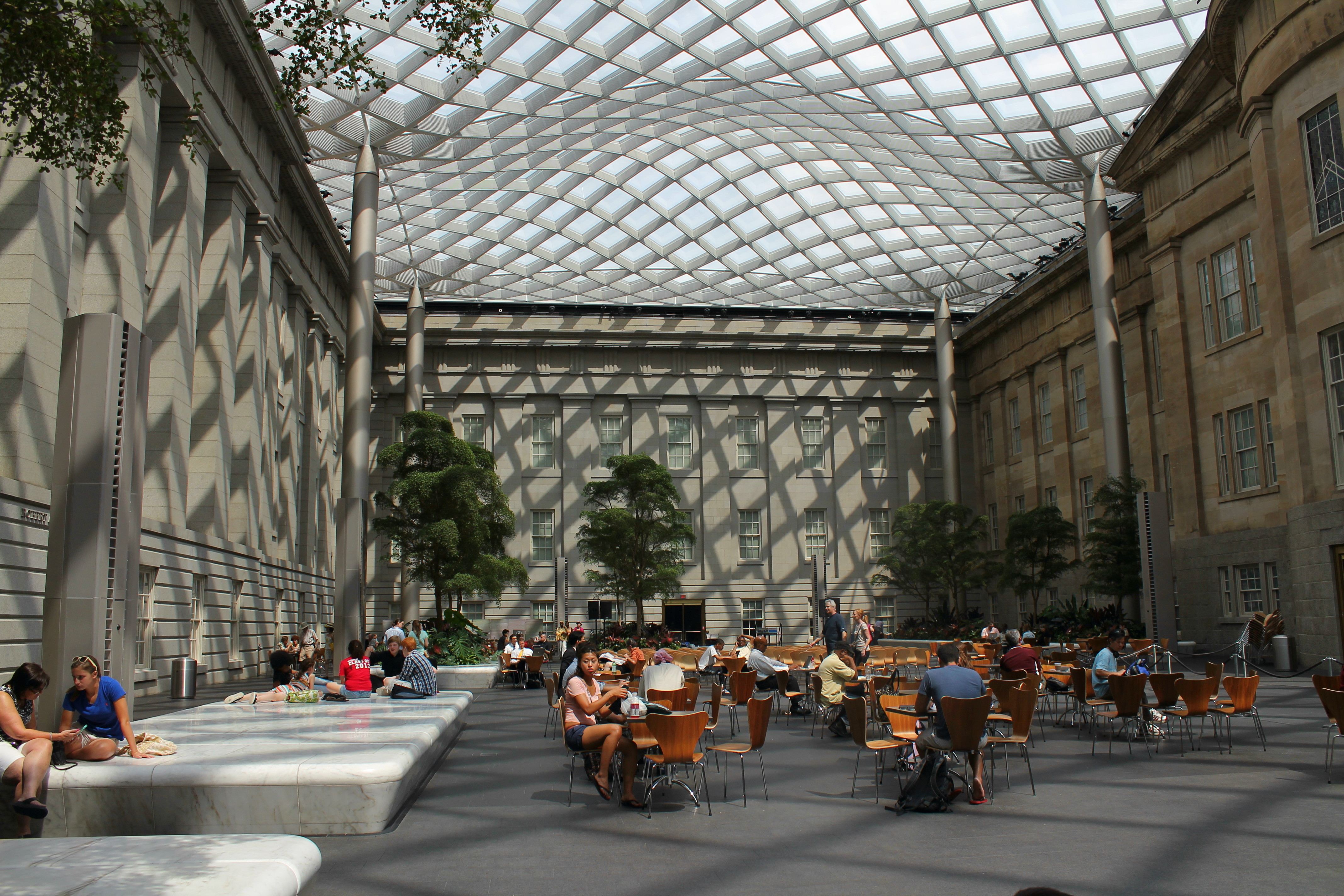
Lastly, I discovered that the best place in the city for a summer picnic is the enclosed, climate-controlled Kogod Courtyard inside the American Art Museum and National Portrait Gallery complex. While there is a small café on site with over-priced sandwiches, soups and salads, you’re allowed to bring in outside food. The courtyard also hosts concerts and special events throughout the year.

Posted in Becky's Adventures, Restaurant Reviews | Tagged , , , , , | 1 Comment

International AIDS Conference in Washington, DC

As the XIX International AIDS Conference draws to a close, I’d like to share some of the highlights from my week.

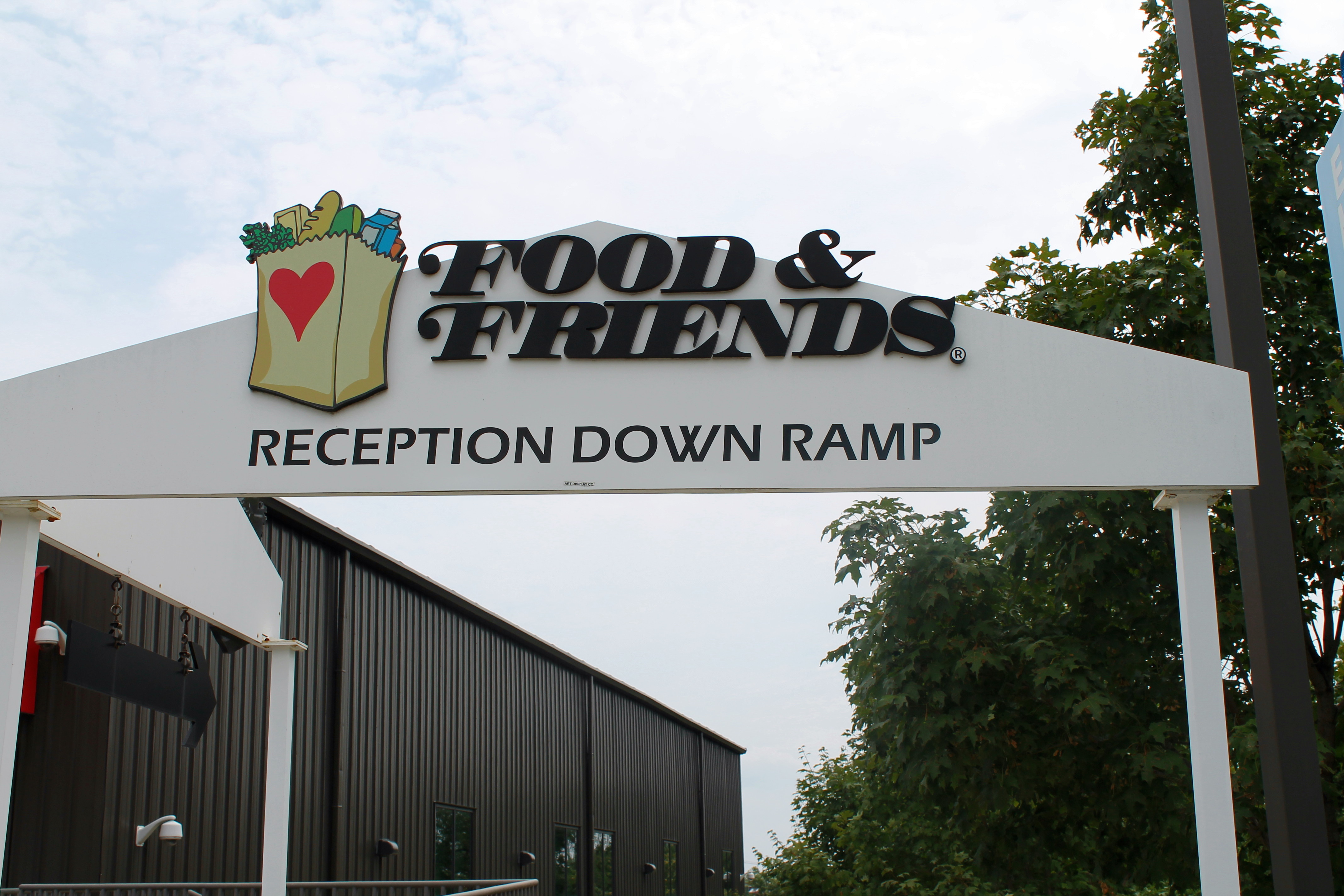
On Monday, I went on an engagement tour to a local non-profit here in Washington, DC — Food & Friends.

Food & Friends prepares and delivers specialized meals, groceries and nutrition counseling to nearly 3,000 clients living with AIDS, cancer or other life-threatening illnesses. Eligibility is entirely health-based, and in order to qualify for their services, an individual must have a primary qualifying illness, be nutritionally compromised and be unable to perform essential daily activities.

What makes them unique is that the meals are individualized, based on the person’s illness, co-medical conditions such as diabetes or high blood pressure, and special diets such as vegetarian or gluten-free. With the help of over 12,000 volunteers, Food & Friends delivers over 1.2 million meals to people in DC, Virginia and Maryland annually. If I lived in the DC area, I’d definitely volunteer here.

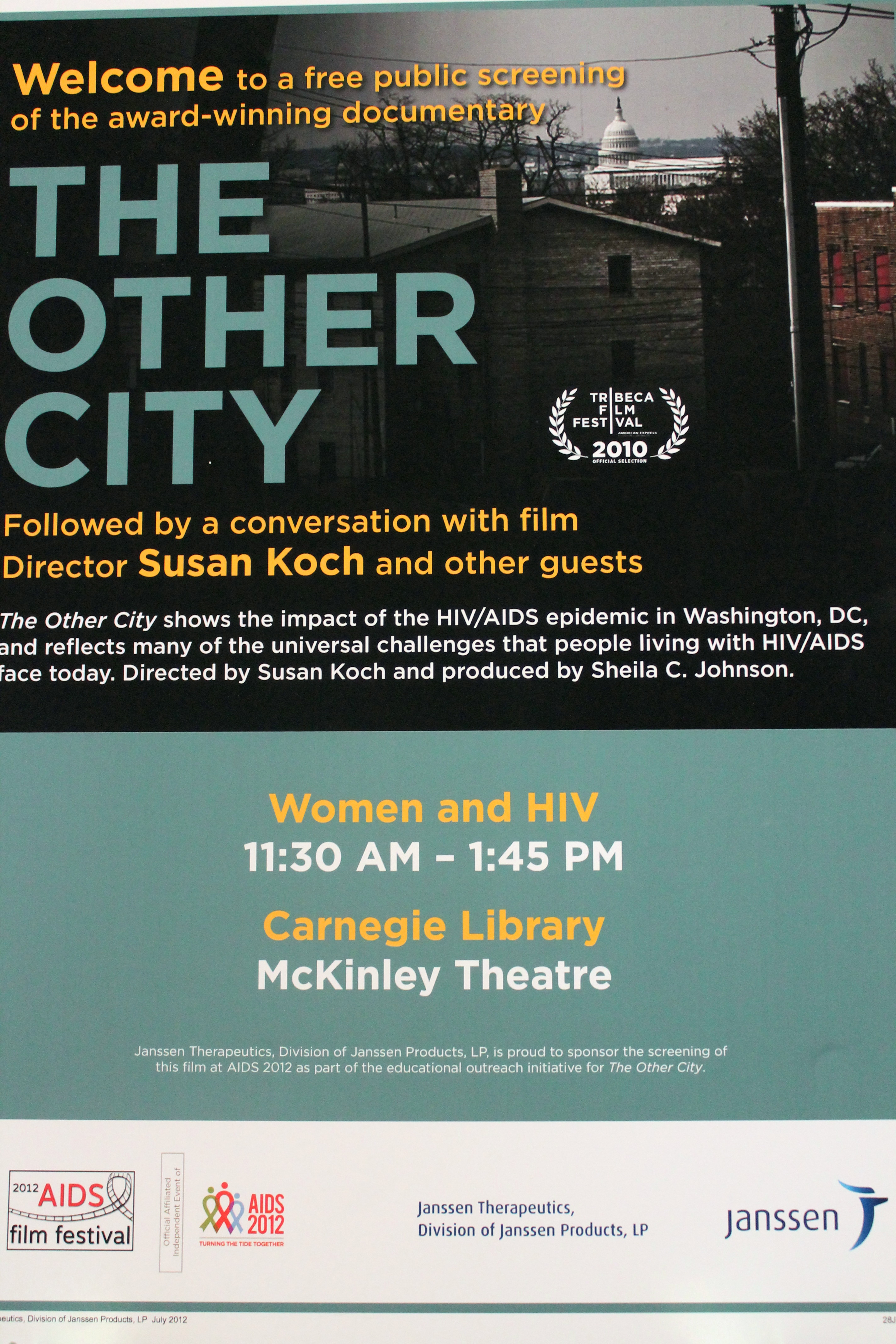
On Tuesday and Wednesday, I attended several special screenings associated with the AIDS 2012 Film Festival.

The Other City is a 2010 documentary about the HIV epidemic in Washington, DC. DC has one of the highest HIV rates in the United States, with over 3% of the total population infected with HIV. African-Americans and people living below the poverty line have been disproportionately affected.

This powerful film introduces a number of “accidental activists” — people living with HIV in Washington, DC who were brave enough to share their personal stories with the world. There’s J’Mia Edwards, a young mother of 3 who is trying to secure housing for her family so that she does not end up homeless, but is informed of a 2-3 year waiting list everywhere she applies. There’s Jose Ramirez, a gay Latino activist who does education and outreach to Latino youth and immigrant communities, and Ron Daniels who operates needle exchange vans to public parks despite a federal ban on funding such programs. Also featured in the documentary is Joseph’s House hospice for homeless men and women dying from AIDS and cancer and a support group of formerly incarcerated men living with HIV.

An equally tear-jerking, yet important film shown was The Blood of Yingzhou District, which won the 2006 Academy Award for Best Documentary Short Subject.

This film follows the lives of AIDS orphans in a poor, rural village of China, some who are themselves living with HIV and others who have simply lost their parents to AIDS. It sheds light on the situation of people becoming infected through blood donation, and also the stigma that people living with or affected by HIV are facing.

One of the saddest stories shown is that of Gao Jun (the young boy at the left in the poster). No one is really sure how old he is, and no one will really go near him because he is HIV-positive. He lives in a near-abandoned homestead and is looked after from a distance by an uncle, who fears the stigma from the community if he gets too close. Gao Jun’s malnourished belly is bigger than the rest of him, and he angrily broods around the compound, ostracized from all society.

There’s also Nan Nan (pictured on right), who is fortunate to receive anti-retroviral drugs from a donor in the U.S. As her teenage sister prepares to marry, fear abounds that her soon-to-be husband will find out Nan Nan’s HIV-positive status and reject his bride-to-be.

As my work in the HIV and AIDS field in recent months has focused on the Global Plan to Eliminate New HIV Infections in Children by 2015, I welcomed news that there has been nearly a 25 percent decrease in the number of children born with HIV over the past two years, although over 300,000 newborns were still infected.

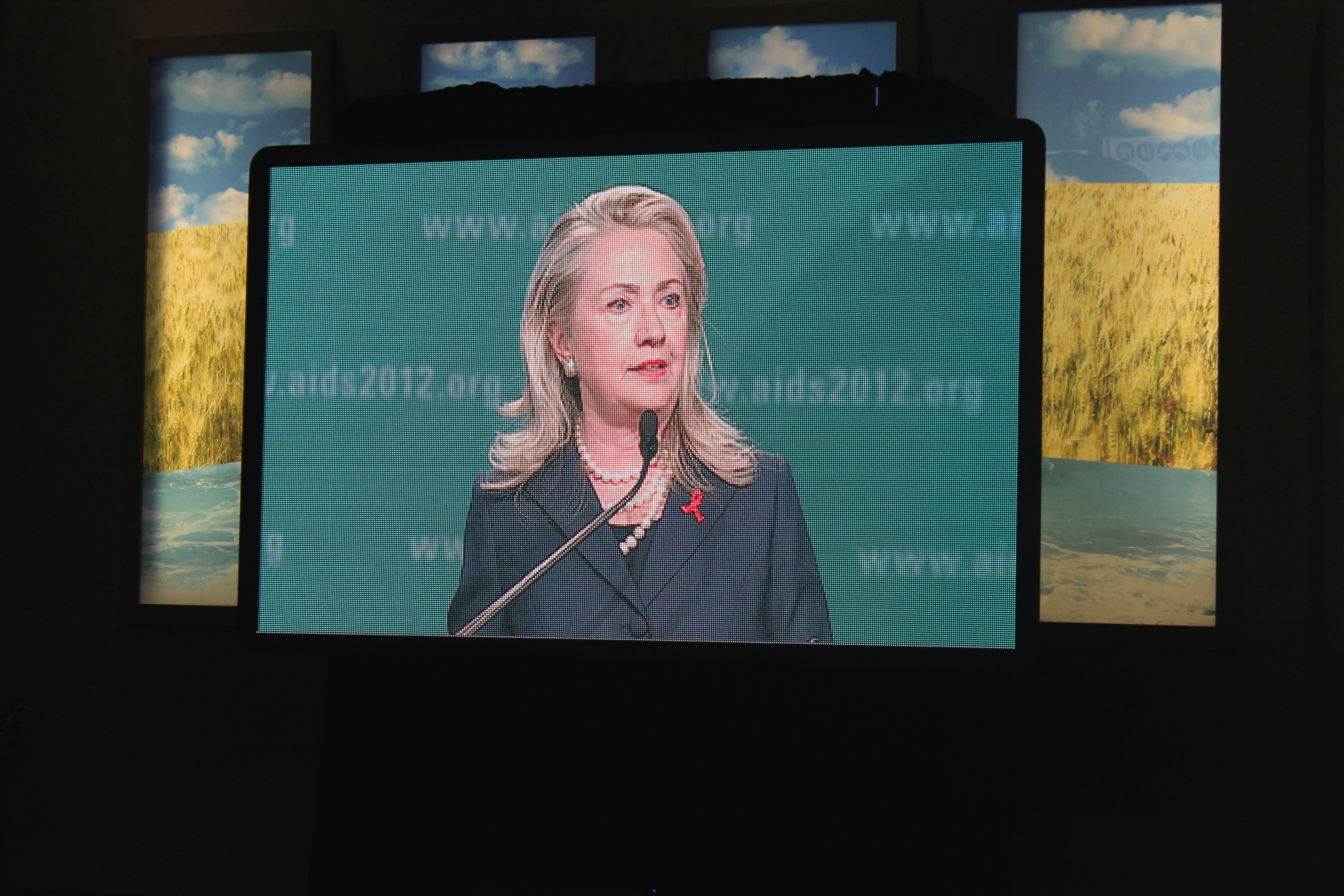
I was also pleased that Secretary of State Hillary Clinton mentioned in her plenary address the challenges that many women in rural areas of sub-Saharan Africa face in accessing transportation to visit antenatal clinics and to access services for preventing mother-to-child transmission of HIV, and the U.S. Government’s new commitment to providing mobile clinics as a way to overcome this challenge. She also pledged U.S. Governmental support for the Robert Carr Civil Society Networks Fund, which was formally launched at this conference but was in the early stages of discussion at a civil society networks meeting I attended in Amsterdam last year.

I contributed a small piece to this attempt to break the Guinness Book’s world record for longest chain of paper dolls. This is to raise awareness of the need for universal access to female condoms, especially in resource-limited settings and in communities hardest hit by HIV and AIDS.

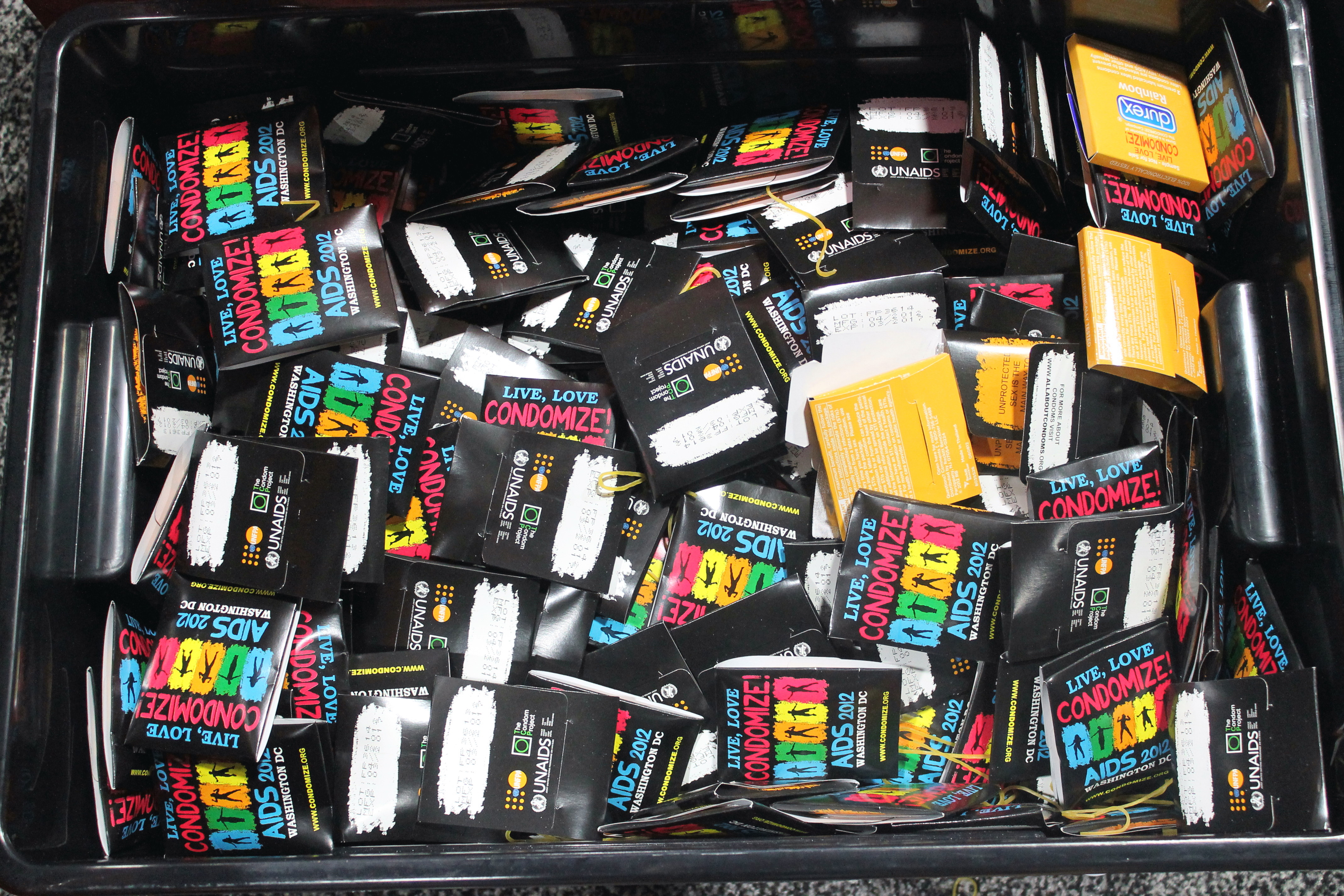
Male condoms (and to a lesser extent their female counterparts) were freely available by the bucket-load throughout the conference venue.

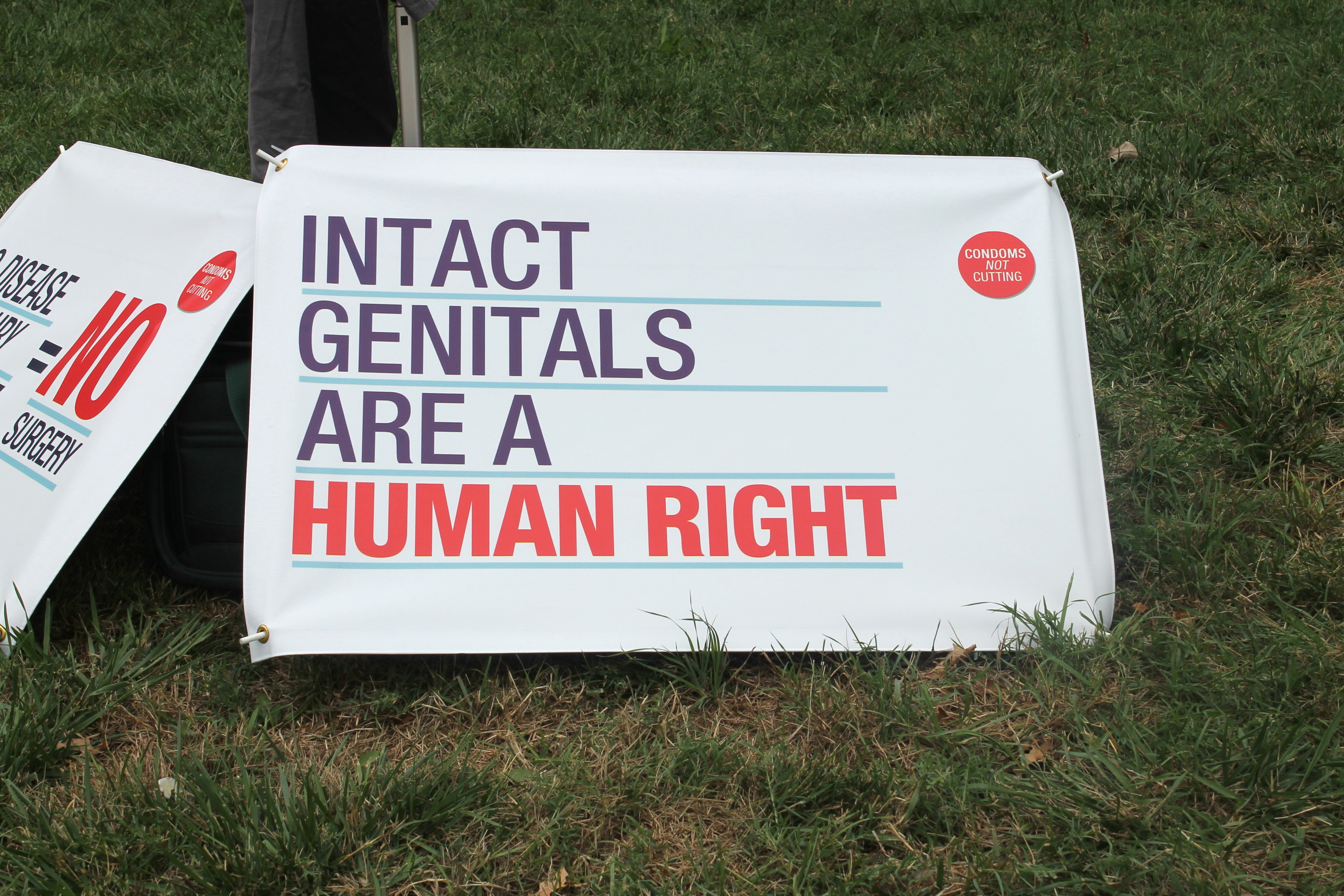
And, of course, no AIDS conference is complete without the presence of people from a variety of life experiences and opinions making sure their voices are heard.

Posted in Becky's Activism | Tagged , , , , , , , , | 1 Comment