AFAN’s 25th Annual Black & White Party

Last night was the 25th annual Black & White Party to benefit Aid for AIDS of Nevada (AFAN). Over 7,000 people are living with HIV in southern Nevada, and AFAN provides critical services like case management, housing and nutritional support and HIV prevention education. I’ve previously volunteered with their summer camp for children living with or affected by HIV, and can say that the organization does great work.

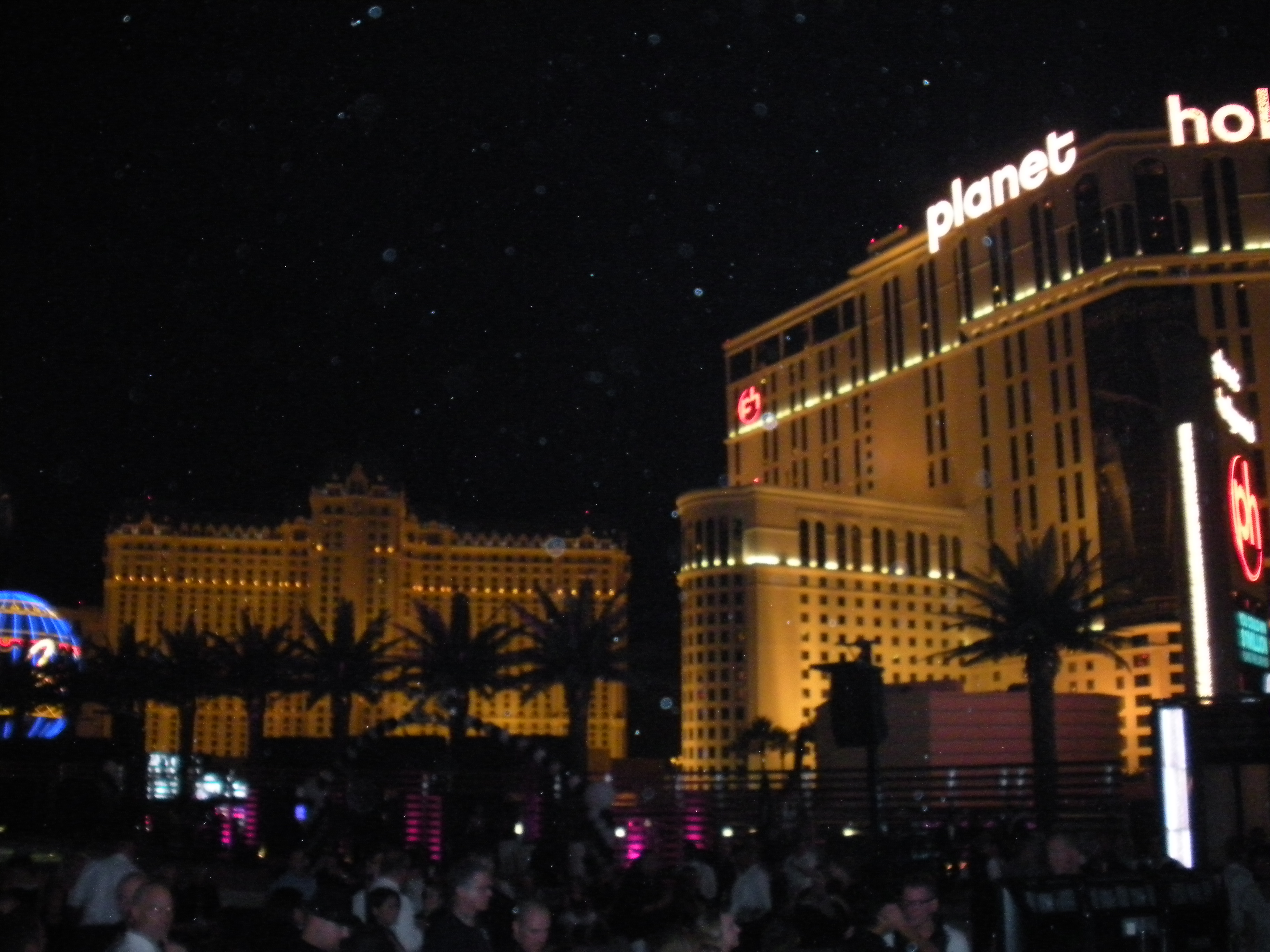
This year’s party was held at the Boulevard Pool at the Cosmopolitan Hotel on the Las Vegas Strip. As the pool is on the 4th floor, we got to enjoy this glitzy view throughout the party.

Admission to the party was $35 per person, and we got to enjoy unlimited food samples from premium Vegas restaurants and tasty libations. As all of the food & drinks are donated, 100% of admission goes to support AFAN.

At the entrance to the party, we were greeted with samples of Piper Champagne.

Too bad we only got one sample each, as it was pretty good champagne!

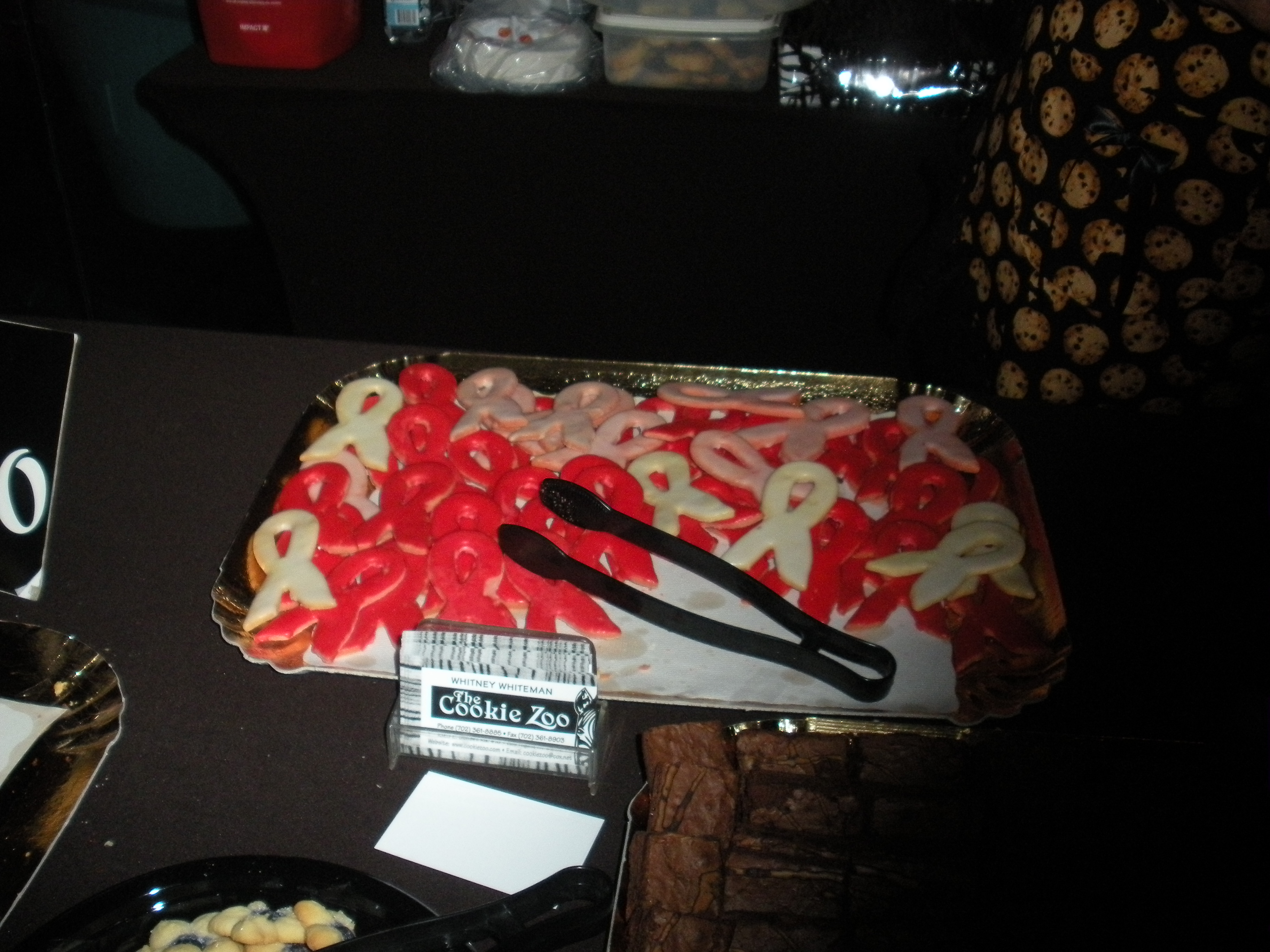
Restaurant samples this year were heavily meat-oriented, and since I don’t eat red meat or pork I filled up on sushi samples from Sushi Roku and Blue Ribbon Sushi Bar and sweets from The Cupcakery and the Cookie Zoo.

I seriously had 6 of these albacore tostadas from Sushi Roku.

…and almost as many of these mini cupcakes!

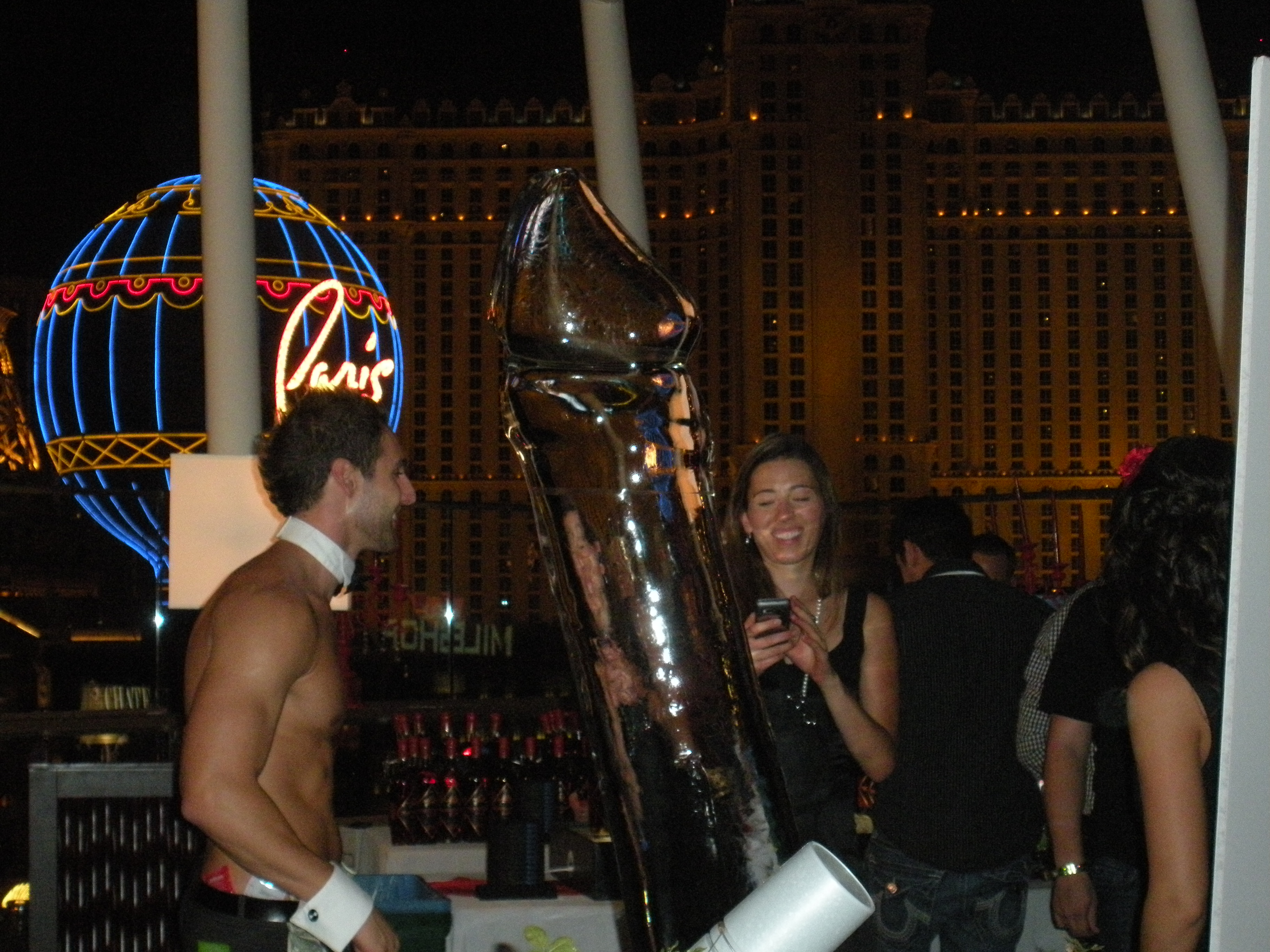
On the beverage side of things, ice sculpture seemed to be “the thing” at this year’s event. Too bad it was 108* F. in Vegas yesterday!

When getting a shot of Montecristo Rum, I was instructed to hold my glass up to the nipple.

Posted in Becky's Activism, Las Vegas | Tagged , , , , , , | 1 Comment

Amsterdam

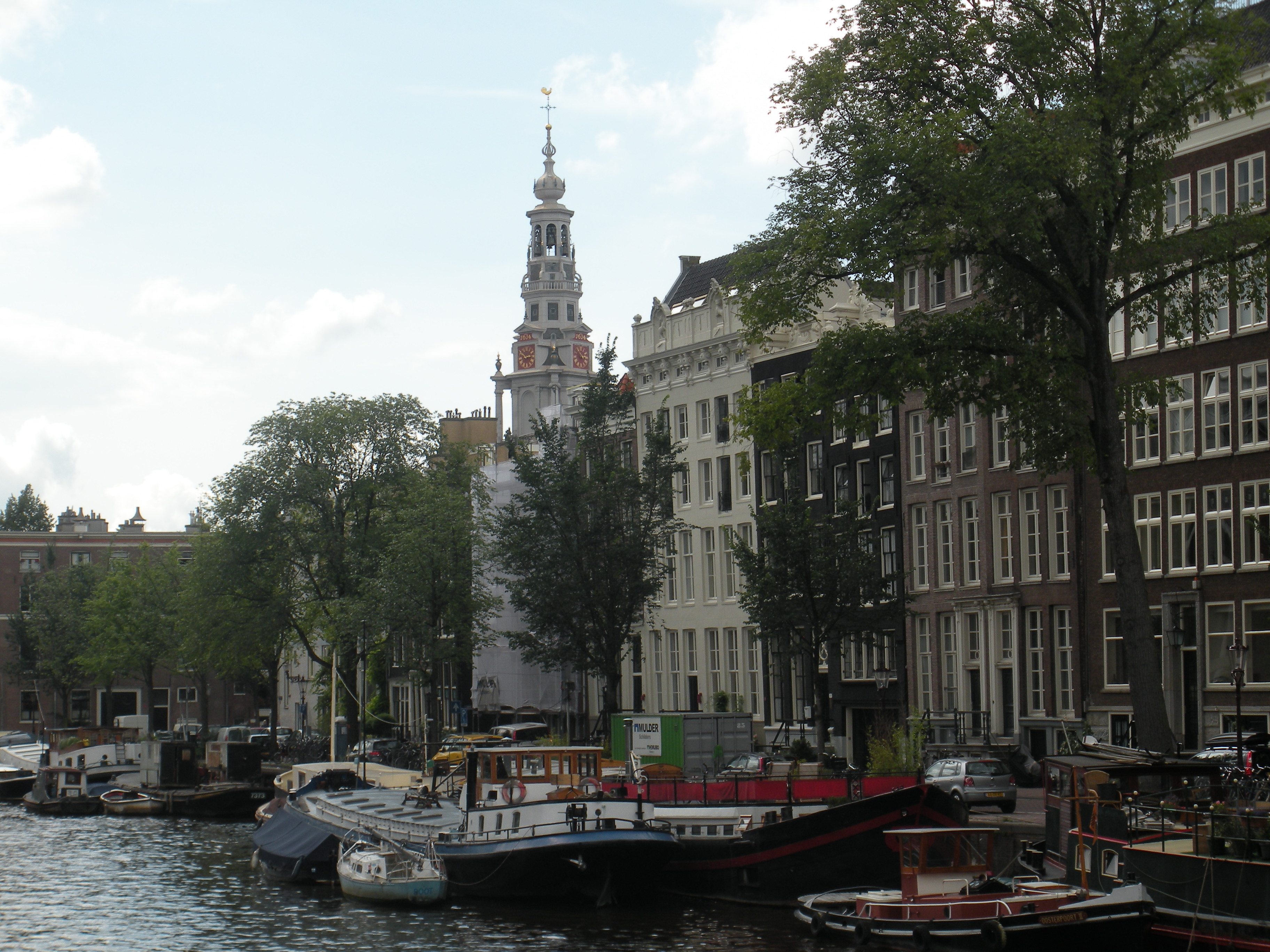
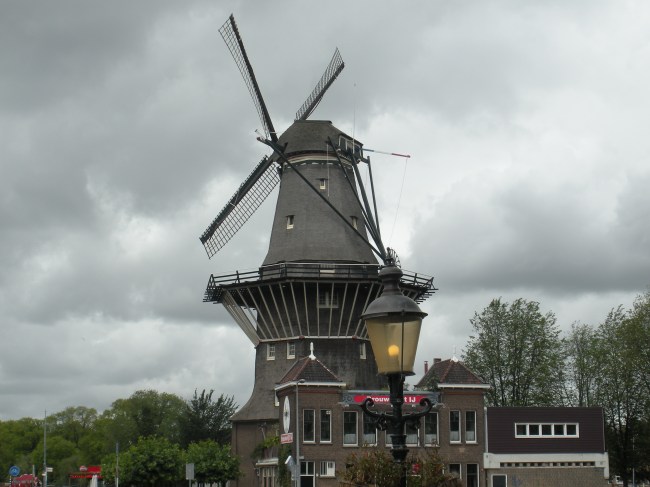
When your boss asks you to attend a meeting in Amsterdam on his behalf, how can you refuse? After briefly conferring with my husband, we decided it was in the best interest of our marriage if he accompany me. While about half of my 4 days in Amsterdam was spent in work-related meetings, we did have ample time to explore the city.

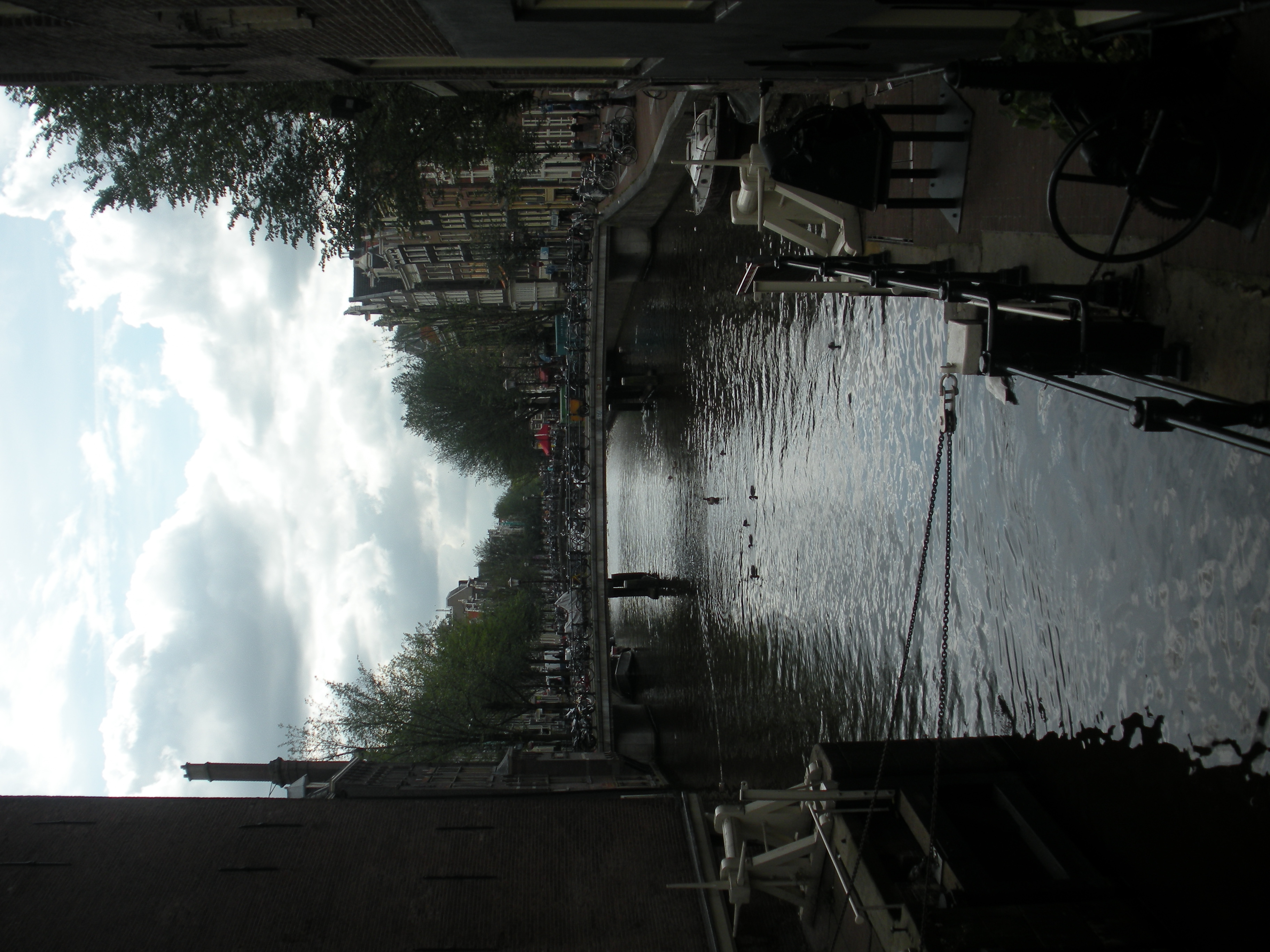
Amsterdam makes my home town of Las Vegas appear like an immature imposter. Sure soft drugs and sex work are legal, and live sex shows are a major tourist attraction, but the focus of Amsterdam is on human rights and personal liberties, rather than on “sin.” Plus the scenery in Amsterdam is far better than in Vegas (although I do love the mountains at home).

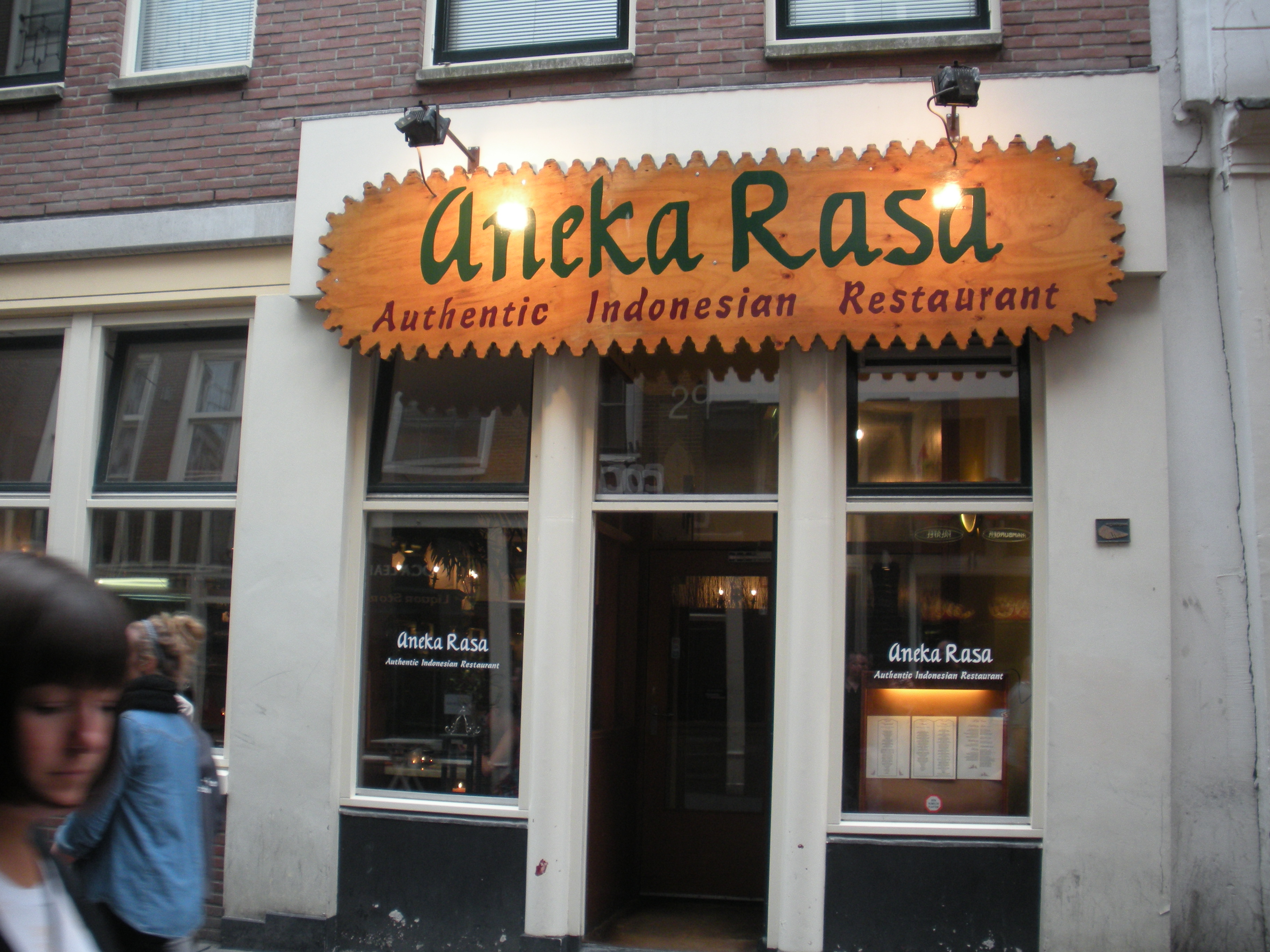
The best restaurant we ate at in Amsterdam was Aneka Rasa, an authentic Indonesian restaurant on Warmoesstraat.

Here we tried the Rijsttafel Vegetarisch, or Vegetarian Rice Table, which consisted of 14 small dishes accompanied by steamed rice. My favorite dishes were the fried spicy corn balls, spicy beans in a spicy coconut sauce, spiced & fried shredded coconut, and fried bananas. Although the food was really good, I didn’t find it to be overly spicy, as the dish names suggest. Meals were reasonably priced at 17 Euros per person.

Walking down Damrakstraat, one of the main streets in Central Amsterdam, we decided to visit the Sex Museum.

The Sex Museum was pretty cheesy and kind of made me want to be chaste. Some of the low points of the museum were old-school animated statues that came to life to perform sexual acts & plastic butts that flatulated on you when you walked down the stairs. However, if you want some good laughs admission is only 4 Euros.

Despite the shortcomings of the Sex Museum, I highly recommend the 2-hour walking tour of the Red Light District, which is fully worth its 22 Euro price. The tour can be booked from any “Tours & Tickets” office on Damrakstraat. The tour guide was excellent and provided us much background historical information on the red light district “De Wallen” (Dutch for Wall Street). A highlight of the tour was a visit to the Prostitution Information Center, where we had Heinekens and listened to a former sex worker openly share her story and experiences as a sex worker and answer our questions.

Sex workers in Amsterdam work as “independent contractors”; they rent spaces from landlords and sign up for shifts. There is no “pimping” and sex workers get to keep all of their profits after rent. Sex workers solicit clients as “window prostitutes” and typically have around 10 clients per shift. It is a completely legalized and legitimate profession throughout the Netherlands. Interestingly, since sex work and soft drugs are decriminalized in the Netherlands, Amsterdam has one of the lowest crime rates of any major city in the world. Decriminalized sex work also significantly cuts down on human trafficking and promotes the safety of those involved.

One of my favorite pictures on display at the Prostitution Information Center shows the oldest sex worker in Amsterdam, an 88-year-old woman. In the below picture she is seated with a local police office, which shows the legal respect of the sex worker profession and the support that local law enforcement has for the trade. The Red Light District is thus very safe to walk through.

Another highlight of the trip was a visit to the Artis Royal Zoo, the oldest and one of the largest zoos in Europe. Admission for “normal tourists” is 18.95 euros, but there is enough to see here to make the better part of a day of it. While some of the major draws of the zoo include the elephants, zebras, giraffes, gorillas, baboons and chimpanzees, I really enjoyed the small things, such as the wide range of tortoises from around the world and the smallish-jungle cats.

Reluctantly, my husband and I left Amsterdam yesterday morning, but we hope to return to the beautiful, relaxed city. To read more about our trip, visit my husband’s blog.

Posted in Becky's Adventures | Tagged , , , , , , , | 2 Comments

Radio Shangri-La Virtual Book Discussion

Radio Shangri-La: What I Learned in Bhutan, the Happiest Kingdom on Earth by Lisa Napoli. Published in 2011.

Synopsis: Unsatisfied with her job with a major media outlet, and seeking greater meaning in her life, Lisa Napoli is given the opportunity to travel to Bhutan for 6 weeks to help start the country’s first youth-oriented radio station. This landlocked Himalayan country for thousands of years has resisted colonization from the outside world, politely said “no thanks” to Christian missionaries, and only allowed as many as 27,000 visitors into the country in a given year due to it high tourist tax. Part memoir, part ethnography, part historical account of a rapidly transitioning country, Napoli’s book will leave you enthralled about this magical kingdom.

About the Author: Lisa Napoli is a journalist who has previously worked with CNN, the New York Times, MSNBC and National Public Radio. She has covered the Clinton campaign, Waco standoff and Internet revolution. In the winter of 2007, she took a leave of abscence from her job to volunteer for 6 weeks in Bhutan, and country to which she has since returned several more times. A native of Brooklyn, she currently resides in Los Angeles.

My Initial Reactions to this Book

I’ll admit that I’ve been intrigued with Bhutan since seeing slides of this majestic country at a Sierra Club meeting over 10 years ago, and especially after learning that they have a Ministry for Gross National Happiness. Yes, you read that correctly. Rather than measuring the success of the country in Gross National Product (GNP), the government measures success in Gross National Happiness, and has even developed tools to quantify and monitor this.

While reading this book, I also began making a mental list of all the other things I liked about Bhutan: (1) they have banned plastic bags, and television was banned until recently as well; (2) spicy chilies are their staple food; (3) greater emphasis on human connections rather than consumerism; (4) giant penises predominate the architecture; (5) Buddhist monks and astrologers in Bhutan predicted the 2009 global finanical collapse, even though high-paid and well-educated economists could not; and (6) for their New Year’s celebration, drinking more alcohol was seen as encouraging greater happiness in the coming year.

That being said, I really enjoyed this book. For those of you who have read Eat, Pray, Love, the concept is similar: a single, childess, middle-aged woman travels across the globe in search of herself and getting more out of life. However, I enjoyed Radio Shangri-La far more. Napoli seemed to be more humble in her story-telling than Elizabeth Gilbert, and nerd that I am, I really enjoyed all of the background information on Bhutan that she provided.  (To read my review of Eat, Pray, Love and the reader discussion that ensued, click here.)

One of the things that intrigued me the most about Radio Shangri-La is Napoli’s discussion on a country in transition between near-isolation to modern democracy. Cell phones and televisions are now commonplace, banks and credit cards have recently become available, and in 2008 Bhutan elected its first-ever democratic government. I am in no place to judge the development of the country, as clearly it has been welcomed by the people. However, it makes me wonder if the new-found focus on commoditizing the country will lead to a nation similar to what’s been spawned by pursuit of the American Dream, like Napoli so eloquently describes on page 42:

I was tired of sleep-deprived, stressed-out, too-busy people who shirked downtime in the service of making money so they could buy more stuff; tired of it taking months to see dear friends who lived across town because traffic and overcommitment made it impossible to coordinate a shared meal. It felt like some people stuffed their calendars full so they could seem important, or at least, not have to face themselves during unplanned moments. In Bhutan, I suspected, human connections were more important than how many digital pals you racked up on Facebook. Rather than passively consuming depictions of the world pumped out to them on various screens, the Bhutanese, I imagined, must savor their lives, really live them, thoughtfully and yet spontaneously.

Have you read Radio Shangri-La, and if so, what did you think of it? Feel free to post in the comments section below to further the discussion…

Posted in Around the World Virtual Book Club, Movie Reviews/Book Reviews | Tagged , , , , , , | Leave a comment

Animal Farm Virtual Book Discussion

Animal Farm by George Orwell. Published in 1945.

Synopsis: While the owner of Manor Farm is in a drunken stupor, his farm animals revolt, overtake the farm and rename it Animal Farm. Grounded in Seven Commandments, Animal Farm initially becomes a sort-of utopian community where animals rule and everyone is equal. But feudalistic pigs create a hierarchy where one pig is ultimately banished and the head pig, Napoleon, creates a system where everyone must work harder for less.

About the Author: George Orwell (the pen name for Eric Blair) was an English writer who lived from 1903-1950. While his early writings focused largely on his service in Burma and wanderings in Paris and London, he is most well-known for his later-in-life allegories on the dangers of totalitarian rule – most notably Animal Farm and 1984.

My Initial Reactions to the Book

I had read this book in 7th grade English class, and not surprising, at that time I had no understandingof the political undertones. I hate to admit it, but in my young mind, I had a difficult time distinguishing Animal Farm from Charlotte’s Web, as both stories contain scheming animals. Before re-reading this novella, I began by reading Russell Baker’s 1996 preface to the version that was reprinted by Signet Classics. One of the most interesting things that I hadn’t realized before is that this novel was initially published the same month that atomic bombs were dropped on Hiroshima and Nagasaki. While Animal Farm is an allegorical critique on the then-Stalin-led Soviet Union, at that time they were considered an ally to the USA and Britain, so this book was perceived as controversial. I therefore tried to imagine the book from within the timeframe when it was written, as well as within its supposed-relevance to today’s society.

While the main themes that are oftentimes recounted from this story are”all animals are equal, but some animals are more equal than others,” and the totalitarian nature of the pig Napoleon, I found myself to be especially interested in some of the minor characters. For example, there’s Mollie, who was not keen on giving up her sugar rations and hair ribbons for the greater good and managed to escape the farm early. I wonder, did she fare better than the others?

Then there’s Boxer the horse whose motto was “I will work harder,” who continued to work hard until he could no longer manage. At that point he was anticipating a relaxing retirement, but in actuality was sent to a slaughterhouse to be turned into glue. It kind of makes you think of all those baby boomers who worked hard throughout their lives only to lose their pensions at the hands of greed…

But I think my favorite character was Benjamin the donkey. Benjamin was the picture of neutrality and refused to take a stand on pretty much everything. He also seemed to be the oldest character, and it was almost as if he had no faith in any form of revolution ever creating reform. He was perhaps the wisest of all.

Reading Animal Farm  makes you question if anything is really ‘truth’ and whether things ever really change, and like 1984 raises the issue of leaders re-writing history and the rule books to suit their current needs. While Animal Farm was a great read, I think I ultimately enjoyed 1984 better (click here for me review of that book).

Have you read Animal Farm, and if so, what did you think of the book? Feel free to post your thoughts in the comment section below.

Posted in Around the World Virtual Book Club, Movie Reviews/Book Reviews | Tagged , , , , , | 1 Comment

Stranger Than Fiction Virtual Book Discussion

Stranger Than Fiction: True Stories by Chuck Palahniuk. Published in 2004.

Synopsis: This collection of short, non-fiction essays by the writer of Fight Club is divided into 3 sections. “People Together” deals with odd events (i.e. nudist testicle eating festivals and tractor derbies), “Portraits” deals with sketches of celebrities and other interesting people (almost in the format of magazine interviews), and “Personal” deals with Palahniuk’s own experiences (largely based on his experiences in optioning Fight Club for film and with his father’s murder).

About the Author: Chuck Palahniuk grew up in a mobile home in Washington state and studied at the University of Oregon, later moving to Portland. A journalist by training, Palahniuk made his fiction debut with Fight Club in 1997, which was later made into a movie starring Brad Pitt, Ed Norton and Helena Bonham-Carter. He has since published 11 other novels. He draws much of his work from his volunteerism, participation in the Cacophony Society, and shadowing support groups. An interesting tidbit is that over 75 people have fainted during readings of his work.

My Initial Reactions to the Book

As a lover of creative non-fiction and obscure, odd things, I found this an interesting read. At 233 pages, I read most of this book in a single afternoon sitting. However, as it’s divided into 23 short essays, one could just as easily read it over the course of a longer time period. Also, I should thank my husband for this book club pick, even though I was initially a bit skeptical.

Firstly, I appreciated what Palahniuk wrote about it the introduction – about his writing being the opposite of the American dream. In large part, our society encourages loneliness, living in our big houses surrounded by technology that limits face-to-face contact, needing to work obsessively in order to maintain this idealism and expectation. Palahniuk argues that people want to feel connected and I think this is why I love reading so much. A good book allows me to feel connected to its characters, to identify with them. In the time I spend reading books the characters become my imaginary friends.

My favorite essays in this collection (one from each section) were “My Life as a Dog,” “Reading Yourself,” and “Escort.” In “My Life as a Dog,” Palahniuk and his friend spend a day in Seattle dressed in silly costumes, and it was interesting to read about the hostility society directed toward them (except, of course, one envious person at FAO Schwartz). “Reading Yourself” is about an interview with Marilyn Manson, and I liked it because Palahniuk humanized him, whereas much of society and the media demonizes him. I also identified with “Escort,” about Palahniuk’s experieces as a hospice volunteer, because I get much of my ideas for writing from my own volunteer experiences.

The only thing that bugged me about the collection is that there is much repetition in Palahniuk’s style of writing. I grew a bit tired of his journalistic “he says/she says” and the “this is/that is.” Also, many of his stories overlapped, but I imagine if these were initially written as separate pieces not intended for a collection they would tend to do so.

So what did you think of the book? Were you grossed out and felt like fainting at times? Did you have a favorite essay and why did you like that one so much? What did you think of Palahniuk’s style of writing? Feel free to post in the comments section below.

Next up for discussion: George Orwell’s classic allegory Animal Farm. Discussion begins June 16th.

Posted in Around the World Virtual Book Club, Movie Reviews/Book Reviews | Tagged , , , , | Leave a comment